
Closing day feels like the finish line, and for the most part, it is. But in California, the law has a few things to say about what happens after the champagne.
Sellers in this state carry disclosure responsibilities that don’t just evaporate once the title transfers. A buyer who finds something wrong after move-in can, under the right circumstances, come back to you for it. Not always and not for everything. But enough that it’s worth knowing exactly where you stand.
This article breaks down what sellers are and aren’t responsible for after closing in California and what both sides can do to protect themselves.
Who Is Responsible for Repairs After Closing in California
Once closing is done and the title transfers to the buyer, the property and everything that comes with it belong to them. The repairs and anything that wears out or breaks after that point are generally the buyer’s problem to deal with.
That’s the baseline.
California law does carve out exceptions, though. Sellers can still be held liable for repairs after closing if they knew about a problem and didn’t disclose it or agreed in writing to fix something and didn’t follow through. They’ll also be liable if they made false statements about the property’s condition.
Sellers who are upfront about known issues are largely protected. Those who aren’t take on legal risks that closing day does nothing to erase.
California Real Estate Law on Seller Disclosure

California holds sellers to some of the strictest disclosure standards in the country. The main requirement is the Real Estate Transfer Disclosure Statement, or TDS, a legally mandated form that sellers must complete before any sale is finalized.
The TDS covers a wide range of property conditions. It includes structural defects, plumbing and electrical issues, roof condition, environmental hazards like mold or asbestos, pest infestations, and any other known problems, all of which need to be declared.
Leaving something out, intentionally or not, can come back to bite you. California Civil Code Section 1102 makes clear that the duty to disclose is a legal obligation and that obligation doesn’t end when escrow closes.
On top of the TDS, sellers may also need to provide a Natural Hazard Disclosure report. Depending on where the property is located, additional local disclosures may also apply.
Your real estate agent or attorney can help you figure out exactly what’s required for your specific sale.
What Counts as a Material Defect in California Real Estate
A material defect is any issue that could affect the value of a home or a buyer’s decision to purchase it. Not chipped paint or a squeaky door.
It’s anything that’s going to cost real money or create a safety risk, like foundation problems, roof damage, mold, water damage, faulty wiring, and plumbing issues.
California law requires sellers to disclose anything they know about that falls into this category. And the bar is pretty broad on purpose
If a reasonable buyer would want to know about it before handing over hundreds of thousands of dollars, it counts.
Not every defect is obvious, though. Some issues hide behind walls for years and sellers really don’t know they exist.
In those cases, there’s typically no liability because you can only disclose what you actually know about. The problem starts when there’s evidence you did know and stayed quiet about it anyway.
What Repairs Is a Seller Responsible for After Closing in California
Sellers are generally not on the hook for repairs after closing in California, but there are a handful of situations where that responsibility sticks around longer.
Failure to Disclose Known Material Defects
Most post-closing disputes come from this. A buyer moves in, finds something wrong, and starts digging into whether the seller knew about it. If the answer is yes and it wasn’t on the TDS, the problems begin.
California courts have sided with buyers in cases where sellers stayed quiet about known defects, sometimes years after the sale closed. The financial exposure here can be significant, covering repair costs, legal fees, and in some cases, additional damages on top of that.
Disclosing upfront and adjusting the price accordingly is just the cleaner move for everyone.
Repairs Agreed Upon in the Purchase Contract
If a repair made it into the purchase contract as a condition of the sale, it doesn’t disappear just because closing happened. That’s a binding commitment.
Say the inspection flagged a plumbing issue and the buyer agreed to proceed only if you fixed it. If you didn’t, the buyer has grounds to come after you for it post-closing. The contract is the contract.
Post-Closing Escrow Holdbacks
Sometimes repairs just don’t get done in time before closing and both parties agree to handle it through an escrow holdback. A portion of the sale proceeds gets set aside to cover the cost of those repairs after the fact.
If the repairs get done, great, the funds get released. If they don’t, that money goes straight to the buyer. It’s one of those arrangements that works well when everyone is honest about the timeline going in.
Misrepresentation and Fraud in Real Estate Transactions
Non-disclosure is one thing. Actively telling a buyer something false about the property is a much bigger problem.
Fraud claims in California real estate carry heavier consequences than a standard disclosure dispute. Buyers can recover repair costs plus additional damages. The statute of limitations for fraud is longer than for most other real estate claims. This is the kind of thing that can follow a seller for years after a sale.
What Happens If the Seller Did Not Disclose Issues Before Closing
Not disclosing issues doesn’t make a problem disappear. It just makes it the seller’s problem for longer.
When a buyer finds something wrong after closing and traces it back to something the seller knew about, California law gives them teeth to act on it.
A lawsuit for non-disclosure or misrepresentation is the most common route and sellers are often caught off guard by how much evidence already exists. Things like contractor invoice from two years ago or a neighbor who mentions the basement always flooded are some things that can surface. None of that goes away at closing.
Buyers can also file complaints with the California Department of Real Estate when an agent was involved in glossing over known issues. This adds a separate layer of accountability beyond the civil case.
The financial hit compounds quickly, too. Repair costs get bundled with attorney fees, damages, and sometimes punitive damages in fraud cases.
What started as one undisclosed issue becomes a much longer ordeal than anyone budgeted for.
Common Post-Sale Issues and Who Is Liable
Post-closing disputes follow a pretty consistent pattern. The issue surfaces and the buyer starts asking questions. Everything traces back to what the seller knew and when.
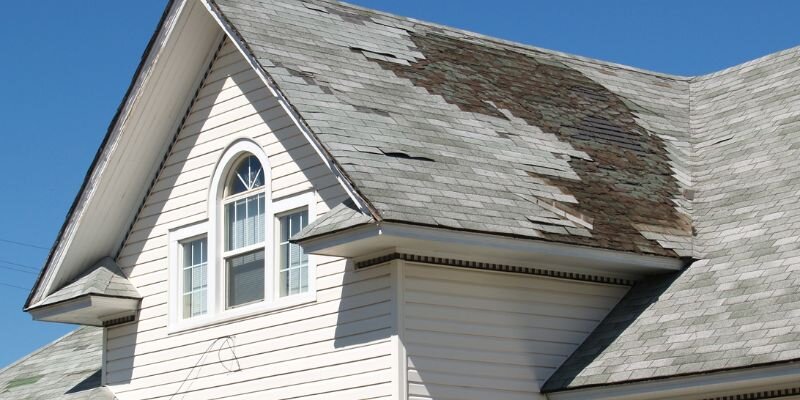
Roof Leaks
If the roof starts leaking after closing because of new damage or normal wear, that’s the buyer’s responsibility.
But a roof that had known issues before the sale that never made it onto the disclosure form is a different situation. Roof problems are one of the most disputed categories in California post-sale claims, largely because damage can exist for a long time before it becomes obvious.
Plumbing and Sewage Problems
Plumbing failures after closing aren’t always sudden. Most of the time there’s a history, like slow pressure loss and pipes that were already showing their age.
When a buyer can establish that history predated the sale, the seller’s silence becomes a legal issue. Sewage line failures in particular tend to have documentation behind them and buyers and their attorneys are good at finding it.
Foundation and Structural Issues
Foundation problems are expensive and hard to claim ignorance about when visible signs were already there.
California sellers are required to disclose known structural issues. Courts don’t look kindly on sellers who had clear reason to know and said nothing.
Structural claims post-closing tend to be among the most serious and costly for sellers to defend.
Mold and Water Damage
Mold carries health implications on top of repair costs, which is why California disclosure law treats it seriously.
A seller who knew about water intrusion or visible mold and left it off the TDS is exposed. That exposure grows when there’s evidence of attempts to cover it up.
Painting over mold without addressing the moisture source doesn’t count as a repair. It counts as a problem the next owner’s attorney will find.
Electrical Issues
Unpermitted electrical work, outdated panels, and wiring that doesn’t meet current code are all disclosure-required items when the seller has knowledge of them.
These aren’t minor issues. Electrical problems sit at the intersection of expensive repairs and genuine safety risks. Buyers who find them post-closing and can connect them to the seller’s prior knowledge have grounds for a claim.
HVAC System Failures
An HVAC system that simply reaches the end of its lifespan after closing is generally the buyer’s issue. Sellers aren’t expected to guarantee appliances indefinitely.
The liability shifts when service records show the system was already failing before the sale and the seller chose not to mention it. That history is usually recoverable and buyers know to look for it.
Pest and Termite Damage
Termite damage is particularly common in older California homes and easy to miss until it’s significant. California requires pest inspection reports in most transactions for exactly this reason.
A seller who had a prior report documenting active infestation or existing damage and didn’t disclose it is in a difficult position. The report exists and the date on it exists. The liability follows from there.
How Long Can a Seller Be Held Liable for Repairs After Closing in California?

Sellers can be held liable for repairs after closing in California longer than most sellers assume.
California has different statutes of limitations depending on the type of claim. For straightforward breach of contract, buyers generally have four years from the date of closing to file.
For fraud or intentional misrepresentation, that window stretches to three years from the date the buyer discovered the issue, not from closing day.
Latent defects, the kind that hide and don’t show up right away, can push that discovery date much further out. A foundation issue that doesn’t become visible until two years after closing still starts the clock at discovery, not at the sale date.
We’ve seen cases where sellers thought they were long past any exposure, years out from a sale, and a latent defect surfaces that resets the timeline entirely. It’s not common, but it happens.
The practical takeaway is that disclosure isn’t just about protecting the buyer. It’s what actually closes the loop for the seller, too. A clean TDS and honest disclosures upfront are what give sellers a real defense if something comes up later.
When a Buyer Can Sue a Seller After Closing in California
It’s common in California for buyers to sue sellers. The threshold to do it isn’t particularly high.
The three main paths are non-disclosure, misrepresentation, and breach of contract. The first is knowing about a problem and not mentioning it. The second is saying something false about the property. The third is agreeing to do something in the contract and not doing it.
California courts don’t need proof of bad intent for non-disclosure claims. Awareness plus silence is enough. That combination alone has held sellers liable years after a sale.
The evidence that tends to surface is never glamorous either. This includes a repair receipt, a pulled permit, or an old listing with a detail that contradicts the TDS. Even a neighbor with a loud mouth is an evidence.
Sellers don’t usually think about any of that at closing, but buyers and their attorneys do.
Sellers who disclosed everything they knew and completed what they agreed to are in a genuinely strong position if anything comes up later.
Repair Requests vs. Credits Before Closing: How It Affects Post-Sale Liability
The way repairs get resolved before closing directly affects what either party can claim after. Most people only realize this when something goes sideways.
When a seller agrees to complete a repair as part of the contract, that’s a binding commitment.
If the work gets done properly and there’s documentation of it, great. If it gets done sloppily or skipped entirely, the seller owns that liability after closing regardless of what else the contract says.
Credits shift the dynamic. A buyer who accepts a price reduction or closing cost credit instead of a repair is generally accepting the property in its current condition for that specific item. That limits post-sale claims on that issue in most cases.
Sellers get into trouble when they treat the credit as a full reset without making sure the disclosure actually reflects what the credit was for.
We’ve seen that go wrong when the real repair cost turns out to be significantly more than the credit covered and the buyer can show the seller knew that going in.
A credit paired with an accurate disclosure is clean. A credit used to avoid a full disclosure is a liability waiting to surface.
The Role of the Home Inspection in Post-Closing Repair Disputes
In a post-closing dispute, a home inspection is one of the most referenced documents in the entire transaction.
Here’s how it is used by each side:
For buyers:
- If something showed up in the inspection report and the buyer moved forward without negotiating a repair or credit, coming back on the seller for that same issue later is an uphill battle.
- The report is proof the buyer had the information and made a call.
For sellers:
- If an issue appears in the report, the seller addressed it, and it’s documented and disclosed properly, that’s a great defense already built into the paperwork.
- The trail is there before anyone even asks for it.
Where it gets murky:
- Inspectors are good but they’re not catching everything behind walls, under slabs, or inside pipes.
- A hidden defect that gets missed during inspection doesn’t automatically fall on the inspector.
- The question still circles back to what the seller knew independently of the inspection.
One thing sellers get wrong is assuming a clean inspection means they’re fully covered. It doesn’t. An inspection captures what’s visible on one specific day. It doesn’t cancel out anything the seller already knew about on their own.
Getting a pre-listing inspection done before buyers come through is highly suggested. You find out what’s there on your own terms and you can decide how to handle it. Your disclosures end up a lot more accurate because of it.
How Sellers Can Protect Themselves from Post-Closing Repair Claims
Protecting yourself as a seller isn’t complicated. You just need to do the things most people try to skip.
Disclose everything you know
Not just the obvious stuff. California courts have repeatedly sided with buyers when disclosure forms look bare or vague. More detail is always better than less, even when it feels like oversharing.
Get a pre-listing inspection
You’re not required to, but doing it anyway is one of the best calls a seller can make. Finding issues on your own timeline means you decide how to handle them, not a buyer’s inspector in the middle of a live negotiation.
Actually finish agreed repairs and keep the receipts
If a repair made it into the contract, it needs to get done properly. Half-finished work that gets glossed over at closing can become a very expensive conversation later. Documentation of completed work is one of the cleaner defenses available to sellers.
Get a real estate attorney involved early if things get complicated
Agent guidance is valuable but it has a ceiling. If there’s a defect that’s hard to quantify, or a repair dispute already brewing before closing, an attorney early in the process is worth every dollar.
Consider a direct sale if the property has significant issues
Sometimes, the most stressful part of selling a house with real repair history is the traditional sale process itself. You have to deal with inspection negotiations, disclosure disputes mid-transaction, the list goes on.
We’ve worked with sellers in California who had properties with complicated repair histories and just wanted a clean exit without all of that. A direct cash sale removes most of those pressure points entirely, especially when you understand how our process works and what to expect from a straightforward transaction. A direct cash sale removes most of those pressure points entirely.
Is the Seller Responsible for Any Repairs After Closing in California When Selling As-Is?

Selling as-is doesn’t mean selling without disclosure. That’s the part a lot of sellers get wrong and it’s an expensive assumption to make.
An as-is sale tells the buyer the seller isn’t fixing anything or negotiating credits based on the inspection. That’s it. It doesn’t cancel out the legal obligation to disclose what the seller already knows about the property.
So if the roof has been leaking since last winter and you’re selling as-is, that still goes on the TDS. The buyer gets to decide if they want to proceed with that information, which is exactly how it’s supposed to work. As-is is not a workaround for avoiding disclosures.
California courts have been clear on this. As-is language doesn’t shield a seller from a non-disclosure claim. A buyer who can prove the seller knew about a material defect and stayed quiet has the same legal standing in an as-is transaction as in any other sale.
As-is sales only protects sellers when defects are visible, disclosed, and the buyer proceeds anyway with full information. That’s a clean as-is sale. Anything short of that and the label doesn’t do much. For homeowners dealing with these situations, working with cash home buyers in Glendale can simplify the process significantly.
How Cash Buyers Handle Post-Sale Issues Differently
Cash buyers, especially investors and direct buyers, look at repairs and property conditions completely differently than traditional buyers.
A traditional sale involves a lender, an appraiser, and an inspector, all of whom have something to say about the condition of the property. One flagged repair can stall or kill a deal. Sellers with disclosure-heavy properties know exactly how stressful that process gets. For homeowners dealing with complicated situations, working with companies that we buy houses in California can simplify the process by removing lender requirements and factoring repairs into the offer upfront.
Cash buyers don’t bother you with that. There’s no lender dictating repair requirements before funding or an appraiser holding things up over deferred maintenance. The condition is factored into the offer from the start. The transaction moves without all the back and forth.
From a liability standpoint, that’s a meaningful shift. When a cash buyer purchases with full knowledge of a property’s condition, it’s less likely to cause post-closing disputes over repairs. The defects were on the table and the price reflected them. There’s not much to argue about after the fact.
We’ve bought properties in California with serious repair histories and sellers walked away without the anxiety of wondering what might surface later. That peace of mind is underrated.
Frequently Asked Questions
Is the seller responsible for any repairs after closing in California?
Generally no, but there are exceptions. If the seller knew about a defect and didn’t disclose it, agreed to a repair in the contract and skipped it, or misrepresented the property’s condition, liability doesn’t end at closing. California law is very clear on that.
Does the seller have to pay for repairs after closing in California if the issue wasn’t disclosed?
If the seller knew about it and left it off the TDS, then yes, paying for repairs is very much on the table. Along with attorney fees and potentially additional damages depending on how the claim plays out.
Can a buyer sue a seller after closing in California?
Yes and it happens regularly. Non-disclosure and misrepresentation are the most common grounds. California courts don’t require proof of bad intent for non-disclosure claims either, which makes the bar lower than most sellers expect.
How long does a seller have liability after closing in California?
It depends on the claim. Breach of contract gives buyers four years from closing. Fraud and misrepresentation claims run three years from the date the buyer discovered the issue, not from the sale date. Latent defects that surface years later can push that discovery date out significantly.
What is a post-closing escrow holdback?
It’s an arrangement where a portion of the seller’s proceeds gets held in escrow to cover repairs that weren’t finished before closing. If the repairs get done, the funds are released to the seller. If they don’t, the money goes to the buyer. It’s a practical solution when timing doesn’t work out before closing day. If you still have concerns about timelines, disclosures, or what happens after closing, you can always check out other frequent questions to get more clarity before moving forward.
Key Takeaways: Is the Seller Responsible for Any Repairs After Closing in California?
California sellers don’t get a clean slate just because closing happened. Disclosure obligations follow you and the law is designed to protect buyers who discover problems after the fact. The path with lowest-risk through any California real estate transaction is knowing what you’re responsible for and being upfront about it.
If your property has repair issues and the traditional sale process feels like more stress than it’s worth, Eazy House Sale buys homes in any condition across California. No drawn-out negotiations and wondering what surfaces during inspection. Give us a call at (855) 915-1382 or fill out the form below and let’s talk about what a straightforward sale looks like for your situation.