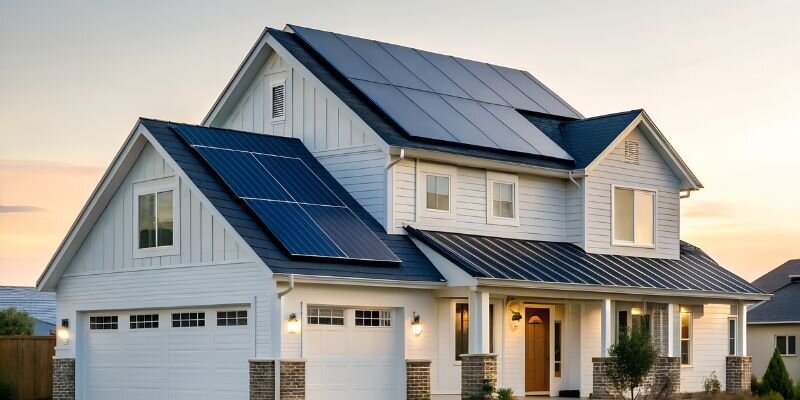
Those solar panels on your roof have been saving you money on electricity for years, and now you’re selling. Most people think it’s just like selling any other house, but then they realize there’s some paperwork involved that they didn’t expect—nothing crazy, but you’ll want to know what’s coming.
The whole thing basically comes down to whether you own those panels or lease them. Own them? Easy. Lease them? Either way, it’s totally manageable once you know what you’re working with.
Can You Sell a House with Solar Panels in Los Angeles, CA?
Yes, you can sell a house with solar panels in Los Angeles, CA. LA buyers are actually interested in solar panels because electricity bills in Southern California can become extremely high. Your panels won’t scare people away. Most of the time, they’re a bonus feature that makes your house more attractive.
The only catch is that owned panels are way easier to deal with than leased ones. If you own them, they transfer with the house, just like any other fixture.
If you’re leasing, the buyer must take over the lease. This means extra paperwork and approval from the solar company.
It’s not a dealbreaker, but it does mean you might need to explain things to potential buyers who aren’t familiar with how solar leases work.
Solar Panel Ownership
This isn’t optional. Buyers are going to ask, and you need to have answers ready.
Owned Solar Panels
If you paid for your panels in full or you finished paying off a solar loan, then congrats—you own them. The buyer doesn’t need to sign anything new or obtain approval from anyone. You’ll just need to show proof that they’ve been paid off and hand over any warranties or paperwork related to the system.
Leased Solar Panels
Leased panels mean a solar company owns the equipment, and you’ve been paying them monthly to use the electricity. When you sell, the buyer must take over your lease, which means the solar company will conduct a credit check on them to ensure they are approved.
Your lease probably still has several years left on it (could be 10, could be 20), so buyers need to be comfortable committing to those payments. Most people are okay with it, as the lease payment is usually less than a regular electric bill. However, some mortgage lenders are wary of it because it’s technically another monthly obligation.
Power Purchase Agreements (PPAs)
PPAs are pretty similar to leases, except instead of a flat monthly fee, you’re paying for however much electricity the panels actually produce. A solar company still owns the panels, and you’re buying the power at a set rate per kilowatt-hour.
The buyer takes over the PPA when they buy your house. They’ll keep paying that same rate. Some buyers prefer this option to a lease because they’re only paying for what they actually use. However, the transfer process remains essentially the same: credit check, approval, and all the other necessary steps.
How Do Solar Panels Impact Your Home Sale in Local Openness?
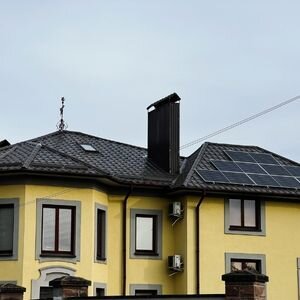
Solar panels can often help your home sell more quickly.
Many people are actively seeking homes with solar already installed because they prefer not to deal with the hassle and upfront cost of installing their system.
Not all buyers react the same way, though. Who doesn’t like free electricity from the sun?. But if you’re leasing, some buyers get a little nervous about taking on a long-term contract they didn’t choose themselves.
The good news is that LA has many solar-savvy buyers who already get how this works.
Here are the preparations you should make when selling a house that has solar panels.
Before listing your house, you need to be prepared to disclose all details about your solar setup. The last thing you want is a buyer asking questions you can’t answer or requesting documents you can’t find. While preparing your paperwork and gathering all solar documents, homeowners in nearby areas looking to sell your house fast for cash in Palmdale can explore streamlined cash-sale options that simplify the process.
Gather Your Solar Documentation
Organize all information related to your solar system in one folder. You’ll need your original purchase agreement or lease contract, proof of payment if you own the panels, warranty information, and any available maintenance records.
Waiting until you’re in escrow to track down missing paperwork is stressful and can slow down your closing.
Review Your Solar Contract Terms
You need to know exactly how many years are left if you’re leasing, what the monthly payment is, whether there’s an annual escalator that increases the cost, and what the transfer process looks like.
Some contracts have fees for transferring to a new owner. You’ll want to know about these before setting your asking price.
Better to understand it now than to get blindsided during negotiations.
Schedule a Solar System Inspection
You want to ensure everything’s working correctly and that there are no issues that could arise during a buyer’s inspection.
A solar tech can verify that your panels are producing what they’re supposed to. They can also inspect for any damage or wear and provide a report indicating the system is in excellent condition.
This documentation is crucial when trying to convince buyers that your solar setup is an asset, not a liability.
Calculate Your Solar System’s Current Value
If you own your panels, you need to determine their current value. This helps you justify your asking price and shows buyers the financial benefit they’re getting.
Consider the amount of electricity your system generates and the savings it provides compared to regular utility rates. You also find out how many years of productive life the panels have left.
Most solar panels are warrantied for 25 years, so if yours are only five years old, that’s 20 years of value the buyer is getting. You can also check comparable home sales in your area to see how much the prices are.
Having various options in the listing is significant, rather than simply stating “this house has solar panels.”
How to Sell a House with Solar Panels in Los Angeles, CA
Now that you’ve got your paperwork sorted and you know what kind of solar setup you’re dealing with, it’s time to sell it. The process isn’t significantly different from selling any other house, but there are a few solar-specific steps that’ll make your life easier.
List Your Home with a Solar-Savvy Real Estate Agent

They’ll know how to market your panels as a selling point, rather than glossing over them. They won’t freak out when buyers start asking technical questions about your lease transfer process.
A competent agent will also know which lenders in the area are comfortable with solar leases. This can save you from deals falling apart at the financing stage.
Ask potential agents how many solar homes they’ve sold recently and what their experience was like. If they hesitate or give vague answers, keep looking.
Be Transparent About Solar Ownership Details
Just be upfront about it from the start.
These are the monthly payment amount, the number of years remaining, and the transfer requirements.
Buyers appreciate honesty.
And those who are comfortable with a solar lease will still be interested.
This approach also filters out tire-kickers. It attracts serious buyers who’ve already decided they’re okay with your solar situation before they even schedule a showing.
Prepare for Buyer Questions and Concerns
Buyers are likely to have questions, sometimes many of them. Get ready to explain how your system works, what happens if something breaks, who handles maintenance, and whether the panels can be removed if they want to replace the roof someday.
Keep your answers factual and straightforward. You don’t need to be a solar expert; you just need to know the basics about your system.
If someone asks something you don’t know, tell them you’ll find out and actually follow up. The worst thing you can do is make up an answer or act annoyed that they’re asking.
These panels are a significant consideration for buyers. Their questions are totally reasonable, even if they seem repetitive to you. If buyers have questions about leases, PPAs, or financing hurdles, working with cash home buyers in Los Angeles can be an option to avoid delays and simplify the sale process.
Deal With the Transfer Process Smoothly
Once you have a buyer, the transfer process begins. For owned panels, this procedure is straightforward. You simply sign some paperwork at closing, confirming that the system transfers with the house, and that’s pretty much it.
For leases and PPAs, you’ll need to coordinate with your solar company to obtain buyer approval and transfer the contract.
Solar companies can take a few weeks to process transfer applications, and you don’t want that timeline to delay your closing date. Stay on top of it.
The smoother you make this part, the less likely your deal will fall apart due to solar logistics.
What is the transfer process for solar systems?
The transfer process depends entirely on whether you own your solar panels or have a contract with a solar company.
Transferring Owned Solar Panels to Buyers
This is the easy one. You don’t need permission from anyone or to wait for approvals. The only thing you need to do is provide documentation showing the panels are paid off. This is either a receipt if you paid cash originally or a payoff letter if you had a loan.
You’ll also want to hand over any warranties, inverter information, and maintenance records you have. At closing, the title company will include the solar system in the property transfer documents, and then the buyer gets ownership of the panels.
The entire process typically takes only five minutes of paperwork during your closing appointment.
Selling a House with a Solar Lease
Leased panels require additional steps because the solar company must approve your buyer before the transfer can occur.
They’ll send you a transfer application that your buyer needs to fill out. This usually includes a credit check and income verification, essentially to ensure the buyer can afford the lease payments.
The approval process typically takes two to four weeks, although some companies may be faster or slower. During this time, stay in touch with both the solar company and your buyer to make sure everything’s moving forward. Once the buyer is approved, you’ll all sign transfer documents, and the lease officially becomes the buyer’s responsibility.
Just make sure you build this timeline into your closing schedule so you’re not rushing at the last minute.
Possible Issues When Selling a House with Solar Panels in Los Angeles, CA

Selling a solar home isn’t always a perfectly smooth process. There are a few bumps that occur fairly regularly. Most of these issues are totally solvable; they just require a little patience. If financing concerns or lender restrictions start to threaten your deal, you may want to contact Eazy House Sale to discuss a cash-sale option that avoids these complications entirely.
Buyer Financing Issues with Leased Solar
Some mortgage lenders are wary of solar leases because they view the monthly payment as another debt obligation. That can affect how much house your buyer qualifies for, or in some cases, the lender might flat-out refuse to approve a loan on a home with a leased solar system.
If you’re wondering, Should I Replace My Roof Before I Sell My House in Los Angeles, CA?, it’s good to know that many lenders in California are comfortable with solar leases, as they see them frequently. If your buyer’s lender is being difficult, suggest they consult a different lender that has experience with solar homes.
Solar Lease Payment Concerns
Some buyers freak out when they see how many years are left on your lease, especially if your contract has an escalator clause that increases payments annually.
These aren’t dealbreakers, but you need to be ready to walk buyers through the calculations. You should be able to show them that even with annual increases, the lease payment is still way less than a regular electric bill.
Lease Transfer Approval Process
Solar companies don’t approve every buyer, and that can kill deals. If your buyer has a sketchy credit history or doesn’t meet the income requirements, the solar company may reject the transfer application. There’s not much you can do to control this, except to ensure you’re attracting qualified buyers from the start.
Appraisal Complications with Solar Systems
This is a problem when your buyer is getting a mortgage because if the house appraises for less than the sale price, their lender won’t give them the full loan amount.
The best way to handle this is to find recent comparable sales in your area with solar panels and give that information to the appraiser upfront.
Buyer Hesitation Due to Lack of Solar Knowledge
Many buyers simply don’t understand spreads, which can be nerve-wracking. They spend time understanding points, such as how the panels generate electricity, what happens if they require repairs, and whether the lease company can place a lien on the house.
Be patient, answer questions clearly, and consider creating a simple one-page explainer about your solar system that you can hand to potential buyers.
Timing Issues with Lease Company Response
Solar companies are really slow sometimes. You’ll submit a transfer application and then wait for weeks to hear back. Such delays can push back your closing date, which is annoying for everyone involved.
The only way to deal with this is to start the transfer process the second you have an accepted offer and then bug the solar company regularly for updates.
Frequently Asked Questions
Do Solar Panels Increase Home Value in Los Angeles?
Usually, yes. Solar panels typically add value to your home because buyers see them as a built-in cost savings on electricity.
In LA specifically, solar is familiar enough that most buyers don’t penalize you for having panels, and many actively want them.
Can Buyers Assume a Solar Lease?
Yep, that’s exactly how it works. When you sell your house with a solar lease, the buyer assumes the lease contract and all the associated responsibilities. They’ll make the monthly payments and handle any service issues with the solar company. The terms of your original agreement will bind them.
The solar company must approve the buyer first, which typically involves verifying their credit and income. Your name is removed from the contract, and the buyer’s name is added.
What Happens to Solar Panels If I Sell My House?
They stay at the house. Solar panels are attached to your roof and considered part of the property, so they transfer to the new owner when you sell. If you own the panels, they’re just part of what the buyer is purchasing, like your kitchen cabinets or your water heater.
If you’re leasing, the buyer takes over your lease agreement, and the panels remain in place. This procedure is expensive and kind of a hassle that most people don’t bother with.
Will Solar Panels Slow Down My Home Sale?
They might add a week or two to your timeline if you’re dealing with a lease transfer, but they shouldn’t drastically slow things down. The main holdup is waiting for the solar company to approve your buyer, which can take anywhere from a few days to a month, depending on the company’s processing speed.
If you own your panels outright, there’s basically no delay at all. The solar panels shouldn’t cause any problems on your closing date if you plan.
Can I Remove Solar Panels Before Selling?
Technically, you can, but it’s usually a terrible idea. Removing solar panels is expensive. You’re paying for labor to remove them, patch the holes in your roof, and potentially make any necessary structural repairs that were made during installation.
Plus, you’re throwing away a selling point that could actually help your house sell faster and for more money. Most buyers in LA see solar panels as a bonus, not something they want removed. The only time removal makes sense is if your panels are pre-finished and functioning and if you plan to take them to your next house. These, again, are pricey and complicated. Just leave them up.
Selling Your Solar Home to Cash Buyers
If you’re dealing with a complicated solar lease situation or simply want to avoid the traditional selling process, cash buyers may be worth considering. Companies like Eazy House Sale buy homes as-is, and understanding how Eazy House Sale buys homes can help you decide if this faster option makes sense for your situation. Companies like Eazy House Sale buy homes as-is, and here’s why that matters for solar homeowners:
- No waiting for buyer lease approval or credit checks from the solar company.
- No risk of deals falling apart because of financing issues with leased panels.
- Cash buyers handle the lease transfer process themselves.
- You can close in days instead of weeks or months.
- We buy homes with any type of solar situation: owned, leased, or PPA.
The timeline is way faster, and you get certainty that the deal will actually close. You won’t receive as much money as you would on the open market, but if speed is more important, it’s a great option. This is especially helpful if you’re on a tight timeline.
Key Takeaways: Selling a House with Solar Panels in Los Angeles, CA
The biggest thing to remember is figuring out your solar ownership type before you list. That one detail determines your entire strategy. Owned panels make everything easier and usually boost your home’s value. Leased panels require additional paperwork and buyer approval, but many LA buyers are comfortable taking over a lease. Get your documents ready early and be honest about your setup in your listing. Additionally, avoid waiting until the last minute to initiate any transfer processes.
If the traditional selling process sounds like too much hassle or you’re concerned about lease transfer complications, consider Eazy House Sale at (855) 915-1382. We buy homes with all types of solar situations and handle the paperwork ourselves
Helpful Los Angeles Blog Articles
- Selling a House in Bad Condition in Los Angeles, CA
- Where to Live in Los Angeles, CA, on a Budget
- How Long After Filing Chapter 7 Can You Sell Your House in Los Angeles, CA
- Common Residential Issues in Los Angeles, California
- How to Navigate Selling a House with Title Issues in Los Angeles, CA
- Selling Your Home While Relocating in Los Angeles, CA
- How Long Can You Go Without Paying Your Property Taxes in Los Angeles, CA
- Should I Replace My Roof Before I Sell My House in Los Angeles, CA?
- Selling a House with Solar Panels in Los Angeles, CA
- The Timeline Of The Eviction Process In Los Angeles, CA
- Short Selling Your Los Angeles, CA, Home To A Relative
- Selling Your Duplex House In Los Angeles, CA
- How Long To Live In A House Before Selling in Los Angeles, CA
- What Do You Do When You Inherit A House with A Mortgage in Los Angeles, CA