
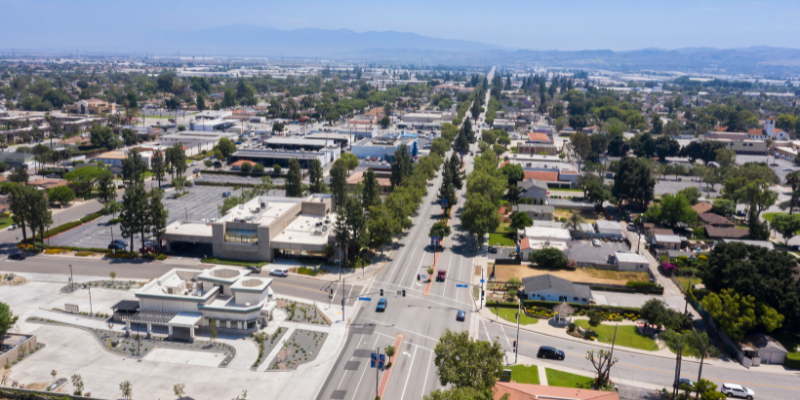
While analyzing the cost of living in Chino, California, one paints a picture of the community’s vibrant and flourishing economy, focusing on projections until 2026. Chino, a historically and culturally significant community, is California’s southern sunshine state, boasting a vibrant economy. Chino’s suburban charm, complemented by the affordable and sophisticated amenities, is a value offered to residents. From the costs of healthcare and entertainment to the consideration of the overall economy’s housing, transportation, and cost of living in Chino, this provides a value guide to economics. This guide will address essential and value indicators.
Key Highlights
- Chino’s living costs reflect broader California trends, influenced by local dynamics and suburban appeal.
- The living index compares Chino’s costs to those of other US areas, with housing being a significant expense.
- Chino’s real estate market in 2025 is expected to face rising demand and costs, which will impact affordability and demographics.
- Healthcare costs offering residents reasonable access to medical services
- The job market offers opportunities in logistics and healthcare, but wages struggle to meet living expenses.
- Food and grocery costs in Chino compared to other cities in Southern California
- Relocating to Chino offers affordable housing and a strong sense of community, unlike larger cities.
Understanding the Cost of Living in Chino, CA
Assessing the cost of living in Chino, CA, requires understanding the various components that shape day-to-day expenses. The most considerable of these is the cost of housing, which is shaped by the proximity to aspirational living centers in Southern California and the burgeoning status of Chino as a suburban living community. Given the configuration of significant employment opportunities in the Inland Empire and the concentration of personal vehicle use, the city’s geographical location also increases the cost of commuting.
Aside from the core housing and transportation costs, the costs of everyday essentials—such as groceries, healthcare, and utilities—also contribute to the local cost structure. Most of Chino’s economic output tends to fluctuate in response to regional economic conditions, subsequently adjusting supply relative to the statewide California average. The supply trends of most goods and services have a direct influence on lifestyle choices. The disposable limits in budgets lead to harder choices with entertainment, eating out, and overall savings.
As part of the dynamic California economy, Chino’s living index reflects both statewide patterns and distinct local factors. The city’s balance between affordability and accessibility continues to attract new residents, including investor house buyers in Chino and other California cities, while posing challenges for long-term cost management. Understanding these interconnected elements helps individuals, families, and investors make informed financial decisions—whether they plan to relocate, invest in property, or manage their daily living expenses in this thriving community.
The Role of the Living Index in Chino’s Economy
Accessing California’s cost benchmark in certain regions, such as Chino, CA, is made possible through the living index. It offers a relative benchmark assisting residents and potential residents in determining and comparing Chino, California, and the United States on a general scale. These comprise housing, transportation, groceries, healthcare, and other necessary services. For Chino, housing remains one of the most critical and costly factors shaped by the proximity to cities and the presence of certain sought-after features. Although the city exhibits an ordinary pattern of costs in California, local market characteristics contribute additional, specific differences—particularly noticeable in the best neighborhoods of Chino, where amenities, schools, and community design significantly influence overall value and desirability.
The trends and local zoning ordinances in place influence Chino’s housing sector. The interplay of such factors informs the setting of construction costs and the valuation of properties. Influencing the costs of housing—both rental and ownership—these factors become the determinants of the cost of living in the area. The fees and expenses incurred when using a personal vehicle reflect local and state conditions, including fuel, insurance, maintenance, and various transportation costs.
Having a clear understanding of the living index and the costs associated with the increased quality of life in Chino is vital. Despite the high cost of living, the city’s appeal stems from a certain balance presented by the available services and their relative costs. For such a dynamic positioning in California, Chino’s living index does provide vital information. For families, individuals, and other stakeholders, the living index is an essential source of information and insight—this goes beyond the mere figures and raw data. It reflects the economic situation of the place and the potential China presents in terms of the quality of life it offers.
Analyzing Chino’s Real Estate Market in 2025
Chino’s real estate market is expected to undergo several transformations in 2025. These changes will result from both local improvements and statewide economic shifts. The city is located in a prime area within the Inland Empire, which continues to attract residents. This area is attracting real estate investors, resulting in increased demand for housing and development. Chino is in a unique position due to the economic and social changes occurring in the state, which will allow for the development of a model suburb for Southern California. The city will present a challenge due to the need to strike a balance between livability and the extensive expansion that will occur.
Trend patterns in property values, rents, and construction will affect the lifestyle and financial decisions of Chino’s residents. Investors in the housing market will likely pressure middle-income families due to the rising housing costs; however, the increased investment in multifamily and mixed-use developments will also likely stabilize housing and ease financial burdens, positively affecting commuting patterns and quality of life. Anticipating Chino’s future real estate developments will enhance residents’ quality of life and help them stay competitive in the changing economy.
Healthcare Costs in Chino, California
The cost of living in Chino, California, relative to health-related expenses is somewhat nuanced. On the one hand, the healthcare index for Chino sits around 101, which is nearly equal to the U.S. average — meaning that, in general, health expenses (such as doctor visits, dental care, etc.) are not significantly higher than the national average. On the other hand, compared to the California average (which has a health index closer to 110), health costs in Chino appear slightly more favorable.
The living expenses in Chino, California, considering health expenses, are a bit more complex. On the one hand, the healthcare index for Chino is around 101, which is nearly equal to the overall U.S. average, indicating that, in general, healthcare expenses (such as doctor visits, dental care, etc.) are not significantly higher than the national average. However, when considering the California average, which has a health index closer to 110, health expenses in Chino are somewhat better.
For instance, a wellness visit in Chino typically costs around $120 on average for the median provider. On the other hand, for seniors or individuals requiring long-term care, the costs increase significantly: nursing care in the Chino area is approximately $268 per day (or around $97,638 per year) in some facilities. While the more routine healthcare services are average, the more intensive healthcare services, especially for the elderly, are significantly higher.
Trends in Housing Costs and Their Impact on Residents
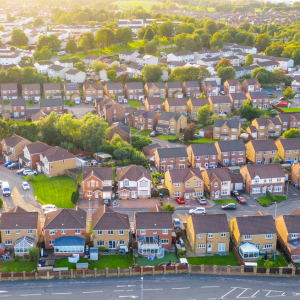
The real estate landscape in Chino, CA, is undergoing a notable transformation, reshaping housing costs and the lifestyles of residents. As of 2025, the city’s housing market reflects broader California economic trends while maintaining distinct local characteristics. Growing demand for homes—fueled by Chino’s appeal as a desirable residential community near major urban centers—has outpaced supply, driving up prices and challenging affordability for both homebuyers and renters. This growing interest has also drawn attention from cash house buyers in Los Angeles, Chino, and surrounding cities in California, who are actively seeking opportunities in this evolving market.
Increasing property values have varied consequences, which include increased equity and security for homeowners; however, renters and first-time homebuyers face greater affordability disadvantages. These barriers to entry for lower-income residents are within the neighborhood, which are gradually changing Chino’s demographics and moving the city in the direction of a more closed-in, exclusive community.
Pressures related to housing affect day-to-day activities, disposable income, and the standard of living. Families may need to adjust their budgets, find additional income, relocate, or do all of the above. To resolve the issues, policymakers and planners should adopt growth principles that combine sustainable development with the provision of housing alternatives, thereby ensuring fair distribution. Striking the correct balance between development and housing allowance will help Chino maintain local positive variations and a flexible response to changes in the housing market.
Food and Grocery Costs in Chino, California
Food prices and groceries in Chino, California, are generally in line with the average for the rest of Southern California. Chino, California, is moderately priced compared to urban centers in the vicinity and the rest of the country. Chino is close to one of California’s major agricultural areas and distribution centers. This proximity makes fresh fruits and vegetables, meat, and dairy products more affordable and accessible. Nonetheless, given the higher operational and labor costs in California, prices for groceries — especially organic and specialty items— remain high. Chino’s grocery prices are slightly higher than the national average.
Chino residents have a variety of grocery retailers to choose from, including Stater Bros., Albertsons, and Walmart, as well as numerous farmers’ markets and ethnic food markets that cater to the community’s multicultural population. These alternatives help shoppers to control their costs; strategic shoppers and those buying locally can find competitively priced foods. Chino also has restaurants; however, eating out in Chino, like in any of the greater Los Angeles area, is expensive compared to inland, smaller cities. Restaurants in this area generally conform to the regional price standard of the greater Los Angeles area.
Overall, comparable to pricing, variety, accessibility, and quality of food or groceries are considered reasonable in Chino, California. Seasonal sales, bulk food stores, and local produce markets can help families manage their grocery and food budgets effectively. A range of reasonable pricing and a good variety of food options enable households to maintain a healthy balance in their grocery and food purchases.
Chino’s Job Market and Its Opportunities and Challenges

Chino is situated within Southern California’s prime industrial core, which is particularly important for several industries prominent in the region. Its geographic reach has enabled rapid developments in the transportation and logistics industries, with increasingly positive shifts in the associated employment opportunities. Chino is also strategically situated to support growth in the sectors and facilitate manufacturing expansion within the region. Increasing employment in the production, execution, and quality control fields provides Chino with retention rates that support its value.
Chino`s industrial growth advances population mobility, and the extension of the immediate service constituency positively impacts the employment opportunities available in the civil and support structures of the hospitals and care facilities. In turn, the associated educational facilities lower the barriers to employment.
Similar to other areas in the State, Chino faces unpredictable unemployment due to economic cycles, trade fluctuations, and temporary layoffs resulting from the logistics industry’s inherent nature. The cost of living exceeds the wages paid, which in turn reduces the capacity of wages to grow. Technological change is also rapid, which exacerbates the skills gap.
Staying economically active requires Chino’s population to be flexible and undertake lifelong learning and skills training. Due to changes in logistics, manufacturing, and healthcare sectors, collaboration among these three sectors—industry, education, and government —will be necessary. Chino will bolster its economic adaptability. He will continue to be a strategic component of Southern California’s integrated economy.
Comparing Median Household Incomes in Chino with Other Regions
Chino, California, offers a valuable opportunity for contextualizing shifts in median household income. Although it possesses several characteristics of the state’s broader economy, Chino’s industries, worker constituents, and living expense differentials uniquely define its spatial economy. The Chino area’s reasonably diversified economy, given the city’s geographical proximity to large employment centers, includes logistics, manufacturing, health services, and education, which finances the earnings of local households. The earnings correspond to the living patterns of suburban equilibrium, yet include the income-earning possibilities of a large city.
Evaluating how Chino’s median income figures align with those of nearby areas reveals the implications of those figures on the local standard of living. For instance, Los Angeles and Irvine report higher earnings, but their housing and utility expenses also become significantly higher. On the other hand, Chino’s income potential and relative costs align at a more attainable balance better suited for healthier living, where the stress associated with higher urban centers nearby becomes negligible.
If you’re thinking about selling your house in Chino, California, our team can help you maximize your property’s value in today’s market. With Chino’s strong economy and affordability, now is a great time to sell. Contact us for a complimentary property assessment and discover how we can help you sell your property quickly and efficiently.
How Do Chino’s Prices Compare to Neighboring Areas?
Compared to many cities in the area, the city of Chino, California, has a unique cost of living geography. Even though Chino, California, as well as other parts of the country, have to consider the influence of California’s housing costs and other costs associated with utilities and transportation, Chino’s location and the harmonious planning of community settlements have, to a great degree, a balanced value profile. Chino’s residents enjoy the best of both. They live a suburban lifestyle with all the comforts and amenities, as well as proximity to major employment centers, and the ease and accessibility of the country’s and Los Angeles County’s transportation system.
Compared to neighboring cities such as Irvine, Los Angeles, and parts of Rancho Cucamonga, Chino has relatively low housing costs. Chino residents enjoy a lower cost of living and a greater budget flexibility, along with financial benefits associated with food, utilities, and services. These factors combine to make Chino a competitive, and in terms of value, as well as socio-economic area in Southern California, especially in its real estate market.
Advantages of Relocating to Chino from Other Cities
Moving to Chino, California, has numerous benefits, particularly when compared to nearby cities. Considerably less expensive than Los Angeles or Irvine, Chino offers a comfortable and convenient location, combining all three of the most desirable traits for those seeking a reprieve from the high costs of surrounding areas.
Housing is one of Chino’s biggest draws; prices and rents for homes are generally lower, allowing families and individuals to take advantage of larger homes and more spacious living environments relative to the financial burden one would encounter in a major city. All other costs of living are also lower, allowing people in Chino to spend less on everyday expenses and attain a high standard of living.
The suburban charm of Chino, along with its closeness to employment centers and entertainment, is a true benefit. Families, Chino is a great place to raise a family, as it offers a relaxing atmosphere and remains close to the bustling centers of Southern California’s economy. Chino is a small city, but it goes the extra mile to create and support a community. Their events, markets, and festivals bring people together, offering a welcome respite from the hustle and bustle of large cities.
Chino is well situated to attract families whose primary concern is the education of their children, as it offers a strong sense of community spirit. The community is guided by the local spirit of its educational institutions. In an ideal world, Chino shuns the community spirit, education, and reasonable living expenses to serve as a counterbalance to the unreasonable living expenses of adjacent metropolitan areas.
| Key Factor | Chino | Los Angeles | Irvine | Advantages in Chino |
|---|---|---|---|---|
| Housing Costs | $450,000 | $850,000 | $900,000 | Lower home prices |
| Daily Expenses | Moderate | High | High | More affordable goods and services |
| Community Benefits | Family-friendly | Diverse culture | High-end amenities | Strong community focus |
| Transportation | Convenient access | Busy traffic | Expensive public transport | Efficient transit options |
This table illustrates how Chino offers a unique blend of affordability and lifestyle advantages compared to neighboring regions, making it an appealing relocation choice for many.
Eazy House Sale helps make your move to Chino, California, a seamless and stress-free experience. From finding affordable housing options to connecting you with trusted local resources, we ensure you settle comfortably into this thriving community. Whether you’re buying, selling, or investing, our team provides personalized support to help you take full advantage of Chino’s affordability, convenience, and quality of life.
Projected to 2025, evaluating the cost of living in Chino, CA, mirrors the larger economy; therefore, the need for residents and people looking to move to Chino is evident. While the expenses associated with housing and utility bills are pricey, the job opportunities in Chino, CA, are varied enough to help achieve economic balance in the area. Chino achieves economic balance, allowing for the efficient management of living expenses in relation to income. Chino, CA, will continue its economic growth and expansion, and practical financial management will help people achieve the best return when optimizing their living experience in this active part of California.
FAQs:
What factors influence the cost of living in Chino, California?
Key factors include housing, transportation, utilities, groceries, and healthcare. These costs reflect broader California trends but are also shaped by Chino’s local economy and characteristics.
How do housing costs impact the cost of living in Chino?
Housing is a significant expense in Chino, driven by rising demand and proximity to urban centers. This affects both rental and purchase prices, influencing affordability and demographics.
What job market opportunities exist in Chino, CA?
Chino offers opportunities in logistics, manufacturing, and healthcare sectors. However, wages may not always align with living costs, posing challenges for residents seeking financial stability.
How does Chino compare to neighboring areas in terms of living costs?
Chino often offers more affordable housing and lower daily expenses compared to larger cities like Los Angeles, providing a balance of affordability and amenities with a strong sense of community.
What challenges do residents face regarding housing affordability in Chino?
Residents encounter increased property values and costs, which affect both renters and first-time homeowners. This can lead to difficult choices, such as relocating or selecting less ideal housing options.
With living costs in Chino, CA continuing to rise, you may be considering whether now is the right time to sell your property. If you want to sell quickly, avoid costly repairs, or skip the stress of listing your home, Eazy House Sale can help. We provide fair cash offers, manage all the details, and make the entire process smooth and hassle-free. Whether you’re ready to sell or just exploring your options, call us at (855) 915-1382 for a no-obligation offer today.
Helpful Chino Blog Articles