

Most buyers walk into a purchase contract thinking their only upfront obligation is the earnest money. Then the lender sends over the fee schedule, and suddenly, there are two more checks to write before anyone has even scheduled a closing date. A home appraisal and a home inspection are two separate costs, paid at different times, serving different purposes, and the question of who writes those checks is more negotiable than most real estate guides let on (especially in a buyer’s market).
What Is a Home Appraisal and Why Does It Matter?
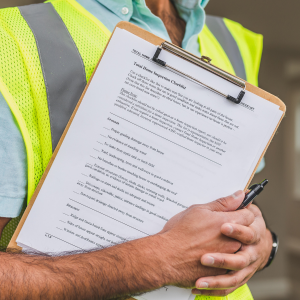
June 2026 brought a median existing-home sales price of $440,600 according to the National Association of REALTORS®, and that number matters here because the entire appraisal process exists to answer one question: Is this home actually worth what the buyer agreed to pay? Lenders won’t fund a mortgage loan on a property they can’t verify the value of. Before your loan moves through underwriting, a licensed appraiser steps in to produce an independent valuation that the lender uses to set the maximum loan amount they’ll approve (that ceiling has killed deals I’ve seen close to the finish line).
Neither the buyer nor the seller chooses the appraiser. The lender, not the buyer or seller, selects the appraiser through an Appraisal Management Company to keep the valuation independent. This layer of separation is built into the process deliberately. Every part of this system is designed to prevent a buyer from overpaying or a lender from making a loan on an inflated value.
Sellers sometimes misunderstand what an appraisal does for them. It doesn’t confirm the listing price was fair; it tells the lender what the home is worth right now, in this market, against recent comparable sales. If your home appraises below the contract price, the lender will only finance up to the appraised value. The gap becomes a problem that the buyer and seller have to solve together, usually through a price negotiation, an increased down payment, or walking away entirely.
Teams like Eazy House Sale work with homeowners regularly who’ve hit an appraisal gap mid-transaction and need options fast. A cash offer sidesteps the whole appraisal process because there’s no lender involved, which removes one of the most common reasons sales collapse.
What Does a Home Appraiser Look for During the Visit?
Skipping preparation for the appraiser’s visit has cost sellers real money. A home that looks well-maintained commands better comparable adjustments; one that looks neglected gives the appraiser room to take value away.
During the walkthrough, the appraiser examines the overall condition of the property, the roof, the foundation, the plumbing, electrical systems, HVAC, and square footage. They’re comparing what they see against three or more recently sold homes nearby that are similar in size, age, and features (condition of those comps matters too). The comparison is how they land on fair market value.
Condition matters more than décor. A fresh coat of paint doesn’t move the number much, but a roof that’s clearly past its life expectancy or a furnace that won’t fire up will. Anything that affects habitability or structural integrity gets noted. For government-backed loan appraisals, like FHA or VA, the standard is even stricter. VA appraisals average $732 and can run from $550 to $1,500; FHA and USDA appraisals typically run $400 to $900 because appraisers follow stricter safety and habitability rules set by HUD.
If the appraiser flags appraisal-required repairs, some lenders will require the issue to be completed before the loan closes. That puts sellers in a position where they either fix it fast or lose the sale. Knowing what appraisers look for before they show up is practical, not just nice to have (and faster fixes are cheaper fixes).
What Is a Home Inspection and How Is It Different From an Appraisal?
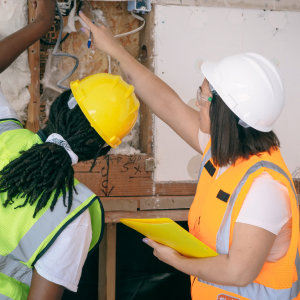
A landlord I worked with in Whittier last year had a duplex sitting under contract on a Tuesday, with the inspection report dropping by Thursday morning. The inspector found a slow gas line leak in the garage and outdated knob-and-tube wiring on the second floor. Without that report, the buyer never would’ve known, and the seller would have faced a lawsuit after closing.
That story highlights why confusing an appraisal with an inspection is a mistake. They look similar from the outside: a professional walks through the property and produces a report. Their purposes, though, are completely different. An appraisal protects the lender by establishing value. A home inspection protects the buyer by uncovering defects, safety hazards, and deferred maintenance that don’t show up in a value calculation.
Inspections can uncover issues invisible to the untrained eye, like mold behind drywall, roof deterioration, or outdated wiring that poses a fire hazard. A home inspector is not there to tell you a home is worth a certain dollar amount. They’re there to tell you what’s wrong with it, or what will be wrong with it soon. A written report becomes a negotiating tool: buyers use it to request repairs, ask for price reductions, or exit the contract altogether if the findings are bad enough.
One other distinction worth knowing: a home inspector is hired by and paid directly by the buyer. An appraiser is ordered through the lender. Two separate professionals, two separate checks, two separate conversations.
How Much Does a Home Appraisal and Inspection Cost?
For years, I assumed appraisals and inspections cost about the same thing. They don’t, and the gap widens depending on property type and where you’re buying.
Professional home appraisals range from $314 to $424 on average, according to Angi’s July 2026 data, with property size and appraisal type determining the final cost. Where you buy moves that number. An average appraisal costs around $300 in states like Kentucky or Georgia and nearly $600 in Washington or New Jersey. A standard suburban single-family home sits in the middle of that range; a large rural property or a multi-unit building will push you toward the top.
Home inspection fees run in a similar neighborhood. Home inspections usually cost around $343, with most homeowners paying between $296 and $424, according to HomeAdvisor data from October 2025. Add specialized inspections for radon, mold, sewer lines, or termites, and the total climbs fast. A buyer going all-in on due diligence for a 1980s home in the Midwest could easily spend $700 or more once add-ons are included (older homes invite more add-ons).
Research compiled by Homeinspecto shows that 86% of inspections reveal issues that need repair, and buyers save an average of $14,000 through inspection-informed negotiations. That context reframes both fees altogether. Combined, you’re looking at roughly $700 to $850 for a standard transaction. Against those potential savings or avoided repairs, that’s not a cost; it’s leverage.
Who Pays for the Appraisal and Inspection at Closing?
A seller once called me from Sacramento after her buyer’s loan got flagged at underwriting. She assumed everything was fine because they’d already gone through the inspection. Appraisal results came back three weeks later with a number $22,000 below the contract price, and suddenly everyone was scrambling.
In that situation, here’s who had paid what: the buyer had written the check for both the inspection and the appraisal well before the problem surfaced. That’s the standard arrangement. In a purchase transaction, the buyer is typically responsible for paying the home appraisal cost since it is generally considered part of the closing costs, though the lender will likely require the fee to be paid when ordering the appraisal.
The inspection fee works the same way. Buyers pay the home inspector directly, usually the day of the inspection, before they get the report. Neither fee rolls into the mortgage balance. Both come out of the buyer’s pocket in cash, separately from the down payment.
Sellers can absolutely offer to cover these fees as a concession, especially in a slower market where buyer competition is thin. In May 2026, the median days on market nationally was 49 days, meaning homes aren’t flying off shelves in most areas. In that kind of market, a seller who offers to absorb the appraisal or inspection cost is adding real value to the offer without changing the sale price, which means the buyer walks away with more money still in their pocket. If you’re selling and wondering whether Eazy House Sale could give you a straightforward cash offer with none of these fees in play, that’s worth a direct conversation.
Who Pays for the Appraisal When a Sale Falls Through?
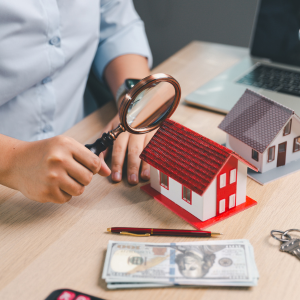
When the buyer is already out $350 to $400 on an appraisal, the last thing they want to hear is that a collapsed deal doesn’t entitle them to a refund.
The appraisal fee is not refundable if the sale falls through. Once the appraiser has completed the inspection, researched the property, and prepared the report, the work has already been done, so the fee is usually considered earned, even if the home sale does not end up closing. A home inspector’s fee works the same way. Completing their work regardless of what the buyer decides after reading it, the inspector walked the property, wrote the report, and delivered it.
About 56,000 U.S. purchase agreements were canceled in August 2025, representing 15.1% of homes that went under contract, the highest share for August sales falling through in records dating back to 2017. With that many transactions collapsing, there are a lot of buyers eating appraisal and inspection fees (sometimes twice in the same month) on sales that never reached the closing table.
There are a few narrow exceptions. Some lenders have programs that credit back third-party fees if financing falls through for reasons outside the buyer’s control. Buyers can also negotiate with sellers beforehand to cover all or part of the appraisal expense in case the sale falls through. Getting that in writing before the appraisal is ordered is the move. Most buyers don’t think to ask, and most agents don’t raise it either.
How to Pay for Your Appraisal and Inspection Online
A lot of sellers ask whether buyers can just delay these fees until closing to preserve cash. Short answer: not usually, and trying to delay them creates problems.
Most lenders require the appraisal fee upfront, before the full loan approval process moves forward, so buyers need to have that cash ready earlier than they often expect. The lender orders the appraisal through an AMC, and the buyer’s credit card or ACH transfer covers it before the appraiser schedules the visit. Waiting to pay at closing isn’t an option when the lender controls the ordering process.
For the home inspection, payment is handled online or on-site the day of the visit. Most professional inspection companies accept credit cards, debit cards, or ACH transfers through their scheduling portal. Buyers book online, pay online, and receive the digital report within 24 hours in most cases.
The cleanest approach is to treat both fees like any other pre-closing cost: budget for them the moment your offer is accepted, not as closing approaches. Buyers who think of appraisals and inspections as “closing costs” sometimes get caught flat-footed when the lender asks for the appraisal payment two days after going under contract, which is earlier than most expect.
One alternative worth knowing about: if you work with a buyer who doesn’t use traditional financing, such as a cash buyer like Eazy House Sale, the conventional appraisal process disappears entirely. No lender, no AMC, no appraisal fee. The inspection may still happen, but it’s a much shorter path to closing.
I’ve worked with homeowners in Pomona who were three months behind on their mortgage with a foreclosure auction date already posted on the county website. The garage held two broken-down motorcycles and a chest freezer nobody had plugged in for years. By Thursday of that week, we had a cash offer on the table. No appraisal contingency, no waiting for a bank to approve a valuation, just a price, a contract, and a timeline that worked for them. When the clock is running, removing the appraisal and inspection cycle from the equation isn’t just convenient; it’s sometimes the only path that actually closes.
Frequently Asked Questions
Does the Buyer or Seller Pay for the Appraisal and Inspection?
Both fees are typically paid by the buyer, but they serve different parties. The appraisal protects the lender’s interest in the loan, while the inspection protects the buyer’s interest in the property. Sellers can negotiate to cover one or both as part of a concession, particularly in markets where buyers have leverage, but the default in most purchase contracts is that both costs fall to the buyer.
What Will Fail a Home Appraisal?
No single item “fails” an appraisal the way a test gets graded, but certain conditions can push the appraised value below the contract price or trigger required repairs before the lender will fund the loan. Structural damage, a roof in poor condition, faulty plumbing or electrical systems, health hazards like active mold or lead paint, and deferred maintenance that affects habitability all get factored in. For FHA and VA loans, the bar for property condition is higher than for conventional loans, so more items can trigger a lender hold.
What Is the Average Cost of a Property Appraisal?
According to Bankrate’s 2026 appraisal cost data, the typical fee range is $300 to $600 for a standard single-family home, with most buyers landing close to $400. Larger homes, rural properties, and multi-unit buildings sit at the higher end of that range or above it. Government-backed loan appraisals, particularly VA loans, carry higher fees due to stricter reporting requirements.
Do You Pay the Appraisal Fee Before Closing?
Yes, in most cases. Appraisal fees are almost universally paid upfront by borrowers at the time of loan application, before the appraisal work is scheduled or completed. Your lender will ask for the payment before ordering the report, which means you could be out that fee even if the sale falls apart before closing. Budget for it as a day-one cost, not a closing-day expense.
If you’re staring down a sale that feels complicated, or you just want to skip the appraisal and inspection cycle entirely and get a straightforward offer, reach out to Eazy House Sale. No pressure, no obligation, just a real conversation about your options.