

You get an offer. Good one, too. Your buyer is pre-approved, they love the house, and your real estate agent says you’re days away from opening escrow. Then the appraisal comes back. There’s a repair condition on the roof, a flag on some peeling paint near the garage, and a note about the handrails on the back stairs. Now your “days away” just became weeks of contractor offers, lender back-and-forth, and a buyer who’s starting to wonder if they picked the right house.
This happens constantly in California. Sellers from Riverside to Richmond get blindsided by appraisal-required repairs because nobody explained what they actually are or how to see them coming. That changes today.
Appraisal Required Repairs Can Make or Break Your Sale
Sellers who treat appraisals like a formality tend to regret it. On government-backed loans, the appraiser functions as a property condition gatekeeper, and any flag they raise can stop your closing cold until it’s resolved.
A couple of years ago I worked with a family in Rancho Cucamonga whose elderly father had passed away. His adult children had all taken job transfers out of state and had exactly five weeks to close on the house before the last one flew out. The garage was packed with decades of tools and furniture, and the old craftsman-style home had peeling exterior paint on every window trim. When their buyer’s FHA appraiser came through on a Tuesday, those paint surfaces triggered a required repair condition. We moved quickly because that family couldn’t afford delays, but if they’d known about the lead paint rules for pre-1978 homes beforehand, they could’ve prepped the exterior before the appraiser ever set foot on the property.
That kind of urgency is more common in California than people think. As of June 2026, California’s median home sale price sits around $777,566, with homes spending a median of 43 days on the market. When your timeline is already tight, and the buyer is using a financed loan, an unexpected repair condition can eat up half that window in re-inspections alone, which means you’re racing a clock that started before you even got the report.
If appraisal-required repairs are putting your California sale at risk, Eazy House Sale can make a cash offer for your home as-is, so you can avoid making costly repairs and waiting on lender re-inspections.
Can an Appraiser Legally Require Repairs in California?
For years, I thought appraisers were there to assign a number to the property and hand the report to the lender. Whether they could actually require repairs felt like a gray area. It’s not. Appraisal-required repairs are the conditions an appraiser documents and a lender requires to be corrected before the loan can close; they cover any defect that compromises safety, livability, or structural soundness, and on government-backed loans like FHA, VA, and USDA, these conditions carry the force of a loan requirement. Appraisers aren’t overstepping when they call out a missing handrail or a leaking roof. They’re doing exactly what the program requires them to do.
In California, an appraiser can’t force you to make repairs in the way a court order would. What they can do is mark the appraisal “subject to” the repair being completed, leaving the lender to withhold loan funds until a re-inspection confirms the fix. That’s the lever. An appraiser holds no direct authority over you; the lender and the loan program do. Practically speaking, the effect is the same: repair it or lose the sale.
If the home comes back “subject to” repairs, the seller is not required to make them, but the loan cannot close until they’re done. That’s a distinction sellers often miss in escrow. You have options, including negotiating with the buyer, adjusting the price, or walking away from that buyer and finding a cash offer instead.
What Are Appraisal-Required Repairs?

So what actually triggers a repair condition, and what doesn’t? Most required repairs fall into predictable categories: non-functional utilities, roof damage, lead-based paint in homes built before 1978, exposed wiring, foundation issues, and missing handrails. Minor cosmetic problems like scuffed floors or dated fixtures rarely trigger repair conditions on their own. An appraiser’s job is to flag defects that affect health, safety, or structural soundness, so the color of your kitchen cabinets is completely irrelevant. A water heater that’s venting improperly? Flagged every time.
The confusion usually comes from sellers who conflate the home inspection with the appraisal. They’re different things that happen for different reasons. A VA appraisal is not a home inspection; the appraiser is not a licensed home inspector and does not provide the comprehensive evaluation of all home systems that a home inspection provides. Appraisers scan for conditions that violate minimum standards. The home inspector goes deeper into systems and components for the buyer’s benefit.
Repair conditions get attached to the appraisal report and communicated to the lender. The lender then converts those into conditions of the loan, and someone, usually the seller, has to satisfy them before closing can proceed.
If appraisal-required repairs are making you question whether selling is worth the hassle, consider a cash offer instead. Contact us to discuss your property and get a straightforward offer with no pressure or obligation.
How Does Your Loan Type Change What Repairs Are Required?
The loan sitting behind your buyer decides what gets flagged during underwriting. San Bernardino County, where first-time buyers lean heavily on FHA, sees a very different appraisal experience than Marin County, where cash and conventional financing dominate.
Conventional loans are the most flexible. Fannie Mae’s Selling Guide has appraisers note deferred maintenance and anything affecting value or marketability, but the bar for a mandatory repair sits higher. A cracked tile gets noted, and the loan moves on. A cracked foundation wall with visible movement typically needs an engineer’s review before the lender will proceed.
FHA, VA, and USDA loans flag more. The FHA guidelines limit repairs to what’s “necessary to preserve the continued marketability of the property and to protect the health and safety of the occupants.” That sounds narrow. In older California homes, the list of conditions that count as health and safety runs longer than most sellers expect. Roofs, working utilities, water heater safety equipment, and accessible crawl spaces all get scrutinized, and a roof can’t carry more than three layers of roofing.
VA loans run on Minimum Property Requirements, checked during the VA appraisal and separate from any home inspection. Two rules changed on May 1, 2026. Peeling paint on post-1978 homes no longer triggers a repair, and sheds and detached garages are no longer evaluated. On pre-1978 homes, flaking paint still triggers a repair because of real lead exposure risk.
USDA standards track FHA closely and come up in rural counties like Tehama, Shasta, and parts of Kern, where older plumbing and worn roofing surfaces wear fast. Prep your home for a conventional buyer, then land an FHA buyer late, and you’re scrambling for repairs you never budgeted.
The Most Common Appraisal Required Repairs in California
The repair condition that most appraisal articles skip over is the water heater’s pressure relief valve and its discharge pipe. Every FHA, VA, and USDA appraiser will look for it. Gas and electric water heaters need a temperature and pressure relief valve, plus a discharge pipe that routes released pressure safely toward the floor. Missing or improperly terminated discharge pipes get flagged on government-backed loans every time, and it’s a five-minute fix for a plumber.
Beyond the water heater, the list gets predictable fast. Roof leaks and damaged shingles come up constantly; so do exposed wiring, broken window glass in bedrooms, and missing handrails on stairs with more than a step or two. In older neighborhoods, lead-based paint becomes a serious conversation. Most studies suggest that at least 75 percent of homes built before 1978 contain some level of lead-based paint. California has a lot of pre-1978 housing, particularly in older urban cores like East Los Angeles, West Oakland, and South Sacramento. For homes in that category, the appraiser must require repairs, lead-safe work practices must be used, and all repairs must be completed before FHA loan endorsement; sellers must disclose known lead hazards, and buyers must be given a 10-day lead inspection opportunity, which can be waived.
Mold is another one. An appraiser who sees visible mold will flag it. They’re not required to sample it or assess the scope, but visible evidence is enough to trigger a condition. Foundation cracks with visible displacement, earth-to-wood contact along the perimeter, and non-operational HVAC systems round out the most common list of issues sellers may face when trying to sell their house fast to a company that buys homes in California.
What Do Appraisers Look for During a California Home Inspection?
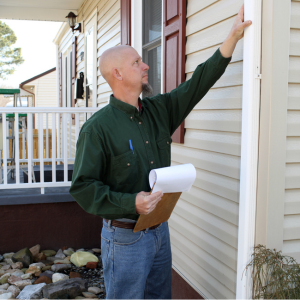
Appraisers follow a visual inspection protocol. They walk the exterior, check the roof from the ground or from the eaves if accessible, look at the foundation and visible structural elements, and then move through each room checking for safety and habitability issues. The appraiser inspects the property’s interior, exterior, and surroundings, assessing its value based on comparable properties, and fills out the required Uniform Residential Appraisal Report as they determine whether the house is safe, secure, and sound. Sellers who would rather skip that assessment altogether often call a cash for houses company in Chino and surrounding California cities instead, especially when the repairs are the part they want to avoid.
Specific things California appraisers pay close attention to: functional heating systems (in the Central Valley where winters get cold, a dead HVAC raises a flag), water heater strapping for earthquake safety (California-specific and required), evidence of mold or water intrusion, exposed electrical wiring, roof condition, and any missing or damaged stair risers. Wood rot around window frames and door sills shows up constantly in coastal properties near Half Moon Bay and Santa Cruz, where moisture does its quiet work over the years, and I’ve seen it hide under fresh paint long enough to surprise a buyer at the worst moment.
What about a messy house? Clutter doesn’t fail an appraisal. An appraiser might struggle to see certain surfaces, but messiness is not a repair condition under any loan program.
How Sellers Can Prepare for Appraisal-Required Repairs Before Listing
Before you put a sign in the yard, walk around your house like you’re the appraiser. Seriously, take a notepad and look at it hard. Start outside. Scan the roof from every angle you can see from the ground. Missing or curling shingles matter. Then look at every painted surface, especially window trim, fascia boards, and the garage door frame where peeling tends to start. If your home was built before 1978, any chipping or peeling exterior paint will need to be addressed before a buyer using FHA, VA, or USDA financing can close. Do it early; don’t save it for the week before the appraisal.
Inside, test every single outlet and light switch. Open the cabinet under every sink and look for water stains or soft cabinet floors. Pull back the water heater closet door and confirm the pressure relief valve has a properly routed discharge pipe running down toward the floor. Check every staircase for solid handrails and intact risers. These aren’t opinions; they’re the actual checkpoints appraisers use.
Are you selling a property that’s been sitting vacant or wasn’t well-maintained? That question matters more than sellers realize. Deferred maintenance compounds. A small roof leak becomes a damaged deck, which becomes mold in the attic, which becomes a repair list that no buyer’s lender will ignore. Getting a pre-listing home inspection from a licensed California home inspector is one of the better investments a seller can make. You pay a few hundred dollars up front and find the problems before the appraiser does, on your own schedule, without a buyer standing by waiting for answers.
The Appraiser Flagged a Repair, What Happens Next?
Sellers sometimes push back and say the issue is too minor to matter, or that the buyer’s home inspector already cleared it. Neither of those things moves the lender.
Once an appraiser marks the report “subject to” a repair, the loan won’t close until a re-inspection confirms the fix is done. Re-inspection fees run $150 flat for VA loans, and multiple MPR issues can each require a separate re-inspection (meaning costs stack up fast). On FHA and USDA loans, re-inspection fees are similar, though they vary by lender and appraiser; your county-specific costs are worth confirming with the appraiser or lender directly.
You have three main paths at that point. First, repair yourself before closing and schedule the re-inspection, which is usually the cleanest option if you have the time and access. Second, negotiate with the buyer: either drop the price by roughly what the repair costs, or offer a credit at closing so the buyer can handle it after they take possession. Third, on some loan programs, an escrow holdback lets repairs happen after closing, with funds set aside until the work is done. The seller may have to complete repairs before closing, or in some cases, the repairs can be done afterward with an escrow holdback. Not every lender offers this option, so it’s worth asking early.
If the repair estimate is high, a fourth path is finding a different buyer. A cash buyer or an investor isn’t subject to any appraisal requirement. No loan means no minimum property standards and no repair conditions.
Who Pays for Appraisal-Required Repairs in California?

A seller in Oxnard was splitting assets in a divorce and just needed the house gone. Her attorney had given her a deadline, and the last thing she could handle was a repair negotiation. When the buyer’s VA appraiser flagged a broken stair riser in the backyard staircase and some wood rot around the kitchen window frame, she had zero interest in coordinating contractors. We handled it, rolled the cost into the final numbers, and closed the following week on a Thursday. The garage still had two kayaks in it, which she left behind, and honestly, that’s pretty common in situations like this one.
That situation is more common than most real estate agents acknowledge. Repair cost responsibility is, by default, a negotiation. Nothing in California law mandates that the seller pay for appraisal-required repairs. Some repairs can be costly, and a seller may object to completing repairs before the sale can be finalized; if that happens, you might need to renegotiate the sale or look at another buyer entirely (I’ve walked away from both).
In practice, sellers pay for most appraisal-required repairs because they want to keep the buyer they have. Losing a financed buyer in California’s current market isn’t trivial. California’s unsold inventory index sat at 3.1 months in June 2026, down from 3.8 months a year earlier, though that is still enough supply to give buyers real choice. Buyers have options and little reason to wait around for a protracted repair negotiation.
The seller pays, the buyer pays through a price reduction, or someone walks. Those are the three outcomes. If the cost is genuinely unworkable and the timeline is tight, selling to cash house buyers in Riverside and other California cities through a service lets you skip the entire repair-and-re-inspection cycle. No appraiser, no repair conditions, no waiting on contractors.
Frequently Asked Questions
What Repairs Do Appraisers Require?
Appraisers require whatever the loan program treats as a health, safety, or structural problem. In practice, that means a leaking or badly worn roof, utilities that do not run, exposed wiring, a water heater missing its relief valve or discharge pipe, stairs without a handrail, defective paint on a pre-1978 home, and foundation movement. Government-backed loans catch more of these than conventional loans do. Dated finishes and an old water stain that dried out years ago usually pass without comment.
Do Appraisers Care If Your House Is Messy?
Messiness is not what appraisers grade. Access is. If boxes sit stacked in front of the water heater, the attic hatch, or the electrical panel, the appraiser cannot see what the loan program requires them to see, and that can mean a second visit and another fee. Clear a path to those three spots before the appointment. A spotless house does not appraise higher on its own, since condition drives the number and cosmetics barely move it.
What Is a Red Flag on an Appraisal?
A red flag is any condition the appraiser notes that could affect value, marketability, or loan approval. A cracked foundation wall with evidence of movement is a structural flag that requires a mandatory engineer review before the loan can proceed. Other major red flags include active roof leaks, evidence of mold or water intrusion, non-operational plumbing or heating, and visible structural issues. A red flag doesn’t automatically kill the sale, but it will slow it down and usually cost someone money.
If you’re staring at a repair list and trying to figure out whether fixing everything makes sense for your situation, we’re here to talk it through. No pressure, no obligation. Sometimes the repairs are worth doing, and sometimes the math says sell as-is to a buyer who doesn’t need a loan. Either way, Eazy House Sale can walk you through both paths and help you decide what actually makes sense for your property and your timeline. Reach out to us at (855) 915-1382 to discuss your options.
Helpful California Blog Articles
- How Much It Costs to List a Home on the MLS in California
- Appraisal Required Repairs in California
- How To Sell A House With Foundation Issues In California
- Do Sellers Pay Closing Costs In California
- Do You Need a Lawyer to Add a Name to a House Deed
- How Long Should You Live in a House Before Selling in California
- How to Sell a Flooded House in California
- Selling a House with Solar Panels in California