

Most people assume the foundation problem is their biggest obstacle. After years of buying houses across California, I’ve learned that’s rarely true. Making a bad decision under pressure is the real obstacle, because you didn’t know your options before the clock started ticking.
Selling a House with Foundation Issues: What Most Sellers Get Wrong First
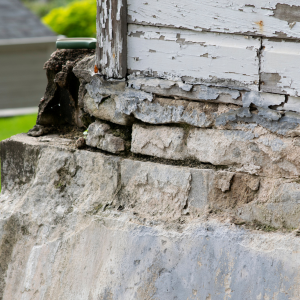
For a long time, I operated under the assumption that foundation problems would tank a sale no matter what. Sellers would call me panicked, and I’d mentally brace for a disaster that often wasn’t as bad as we both feared. Neither the crack in the stem wall nor the sloping hallway floor was the issue. It was the strategy, or the complete lack of one.
Buyers don’t walk away from foundation problems as a rule. They walk away from uncertainty. When a seller has done nothing, prepared nothing, and disclosed nothing proactively, buyers assume the worst and price accordingly. Or they leave entirely and don’t come back. The single pattern of the unprepared listing costs California homeowners more money than the foundation repair itself would have in many cases.
Last year I worked with three siblings out in Rancho Cucamonga who’d inherited their parents’ place. One had already accepted a job transfer to Seattle, and they had maybe five weeks before they needed to be completely out. The house had a classic slab issue on the east side, visible cracking near the back bedroom doorframe, and the garage was packed with decades of furniture the family couldn’t sort in time. We closed in about three weeks, which is faster than most inherited-property sales I’ve seen. The key wasn’t the price we settled on. It was that they came in with a clear plan rather than hoping for the best.
Can You Sell a House with Foundation Problems in California?
Sit down at a kitchen table with me, and I’ll tell you straight: yes, you can sell it. California state law does not block the sale of a home with foundation problems. What it requires is complete disclosure of known defects, accurate pricing that reflects the condition, and a strategy for finding the buyers (cash investors especially) who will actually close on it. Investor home buyers in Pasadena can be a practical option when traditional buyers hesitate over major structural repairs.
The bigger question is how you want to sell it. Fix it first, list it repaired, and go after conventional buyers with mortgage financing. Price it as-is with the problem disclosed, and take a discount on the open market. Or sell directly to a cash buyer who already knows how to price and work around structural issues. None of these is automatically the right answer. Your timeline, your equity position, and the severity of the damage together determine which path pencils out.
According to Redfin data, California homes were selling at a median price of $777,566 in June 2026, with a median of 43 days on the market. A clean, move-in-ready home in a strong neighborhood might move in two weeks. A house with disclosed foundation issues, priced correctly, might take longer. Priced incorrectly, it could sit for months and collect the kind of market stigma that makes every subsequent negotiation harder (buyers remember the listing date).
Types of Foundation Problems Found in California Homes
Slab cracking gets all the attention, but California actually throws more foundation curveballs at homeowners than almost any other state.
California’s seismic activity creates ongoing foundation stress, and expansive clay soils combined with drought conditions compound those challenges. It’s the combination most sellers don’t think about until a structural engineer puts it in a report. The house wasn’t built wrong, necessarily. The ground underneath it just moves, season after season, decade after decade.
Clay soils are the quiet culprit in much of Southern California and the Central Valley. Many older homes were built by digging out a square of hard-packed clay and backfilling with loose soil, creating a “clay bowl” effect where rain soaks into the loose fill and gets trapped by the hard clay below, turning the soil beneath the footing into mud and causing the structure to sink. In dry summers, that clay shrinks and pulls away from the footings. This seasonal cycle is what produces the sticking doors and sloping floors you see in mid-century ranch houses from Fresno to Fontana, and once you’ve walked enough of these properties, you start recognizing the pattern before you even check the foundation.
Seismic damage has its own signature. It typically manifests as horizontal cracks, foundation shifting, and structural displacement. Homes on hillsides, especially in neighborhoods like Eagle Rock, Glassell Park, or the Pasadena foothills, face added scrutiny from both buyers and lenders. That scrutiny is one reason foothill homeowners often talk to cash home buyers in Glendale before they ever list. Older concrete foundations in the Bay Area often show signs of spalling or insufficient rebar coverage, which is its own category of concern for engineers reviewing properties in Berkeley or Oakland’s hill neighborhoods.
Post-and-pier foundations, common in pre-1940 Craftsman bungalows from Pasadena to Sacramento, tend to suffer from rot, inadequate bracing, and unlevel beams rather than the cracking patterns you see in slab or concrete perimeter foundations.
California Disclosure Laws for Foundation Problems
A seller I worked with years ago skipped disclosing a repaired crack because the contractor had patched it, and he figured it was a non-issue. The buyer’s inspector found remnants of the old repair, asked questions, and the sale collapsed during escrow. The seller ended up relisting months later at a lower price after the property had collected enough days on market to make buyers nervous, which is a hole I’ve watched sellers dig for themselves more than once.
California law requires most home sellers to complete a Transfer Disclosure Statement, or TDS, under California Civil Code Section 1102. A limited set of transfers, including probate sales and sales by a trustee, are exempt under Section 1102.2. The form requires you to disclose all known material defects, including foundation problems, in writing, regardless of whether you’re selling as-is.
Many sellers believe that an as-is sale eliminates disclosure obligations. It does not. Civil Code Section 1102 makes clear that waiver of statutory disclosure requirements is void as against public policy, and the TDS may not be waived in an as-is sale. In practical terms, an as-is clause may limit repair obligations, but it does not give the seller permission to hide known material defects.
If there are obvious visual indicators of foundation damage, such as sloping floors, sticking doors, or visible exterior cracks wider than a quarter inch, a court can find that a seller “should have known” even without a formal inspection. Disclosing fully isn’t just a legal protection. It’s what attracts the buyers who are genuinely ready to purchase the property in its current condition, which means fewer blown-up deals and fewer renegotiations after the inspector shows up. You can read more about California’s disclosure framework directly through California Civil Code Section 1102.
Do You Need a Structural Engineer Report Before You List?
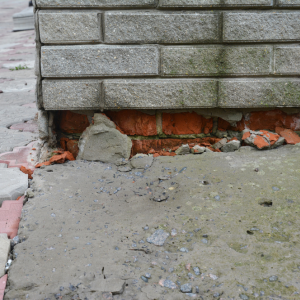
Around $340 to $780 is what a structural engineer inspection costs in most California markets, and that is one of the best investments a seller can make before hitting the MLS. That fee can also include waterproofing evaluations or plumbing pressure tests, depending on what the engineer encounters (scope creep happens fast on older foundations).
Getting an engineer’s report before listing does something specific: it replaces buyer fear with buyer information. A report that says “hairline cracking consistent with normal settlement, no structural remediation required” is worth several times its cost in reduced negotiating friction. A report that reveals a genuine problem is still worth having, because you now know exactly what you’re working with before any buyer walks through the door (and starts guessing).
Do you have to get one? No. California does not require sellers to conduct a structural inspection before listing, but it does impose a “knew or should have known” standard in some contexts. This standard is what gets sellers into trouble. You can point to an engineer’s report as evidence that you acted in good faith. You can’t point to willful ignorance as a defense.
Cash buyers and investors, including the team at Eazy House Sale, typically do their own structural evaluations as part of their offer process, so if you’re heading down the as-is route, you may not need to commission your own report first. But for an open-market listing, having one upfront prevents deals from falling apart after the buyer’s inspection period opens up.
What Foundation Repairs Cost Vs. Selling the House As-is
Sellers rarely account for the cost of carrying the house through a full repair before they can list it. Permits, contractor scheduling, and, in Los Angeles County, permitting timelines that can stretch six months or more, all add up in holding costs that eat into whatever premium the repair was supposed to generate, leaving the math on doing the work yourself often looking better on paper than it does at closing.
Foundation repairs in Los Angeles range between $4,500 and $25,000 or more, depending on severity and repair method. Bay Area homeowners generally pay even more. Typical foundation projects in San Francisco average around $9,923, with most falling between $4,413 and $15,777. Pier installation, full perimeter underpinning, or hillside stabilization work can push that number well past $50,000 in the right (or wrong) circumstances.
What most repair-vs-sell analyses miss is that the premium a repaired foundation commands at resale rarely equals the cost of the repair, let alone the holding costs layered on top. Major repairs costing $40,000 or more rarely generate dollar-for-dollar returns at resale. The math shifts the calculus toward as-is sales more often than sellers realize at the outset.
Selling as-is doesn’t mean accepting whatever someone offers. It means pricing accurately from day one, disclosing fully, and targeting buyers who can close without financing contingencies tied to a lender’s appraisal. Teams like Eazy House Sale buy California homes in exactly this condition, assess the property themselves, and close on a timeline that works for the seller rather than a bank’s underwriting schedule.
How Foundation Problems Lower Your Sale Price in California
Some sellers push back on this: “I’ve already fixed the issue, so why should I take a discount?” It’s a fair objection, and the answer depends on whether you have the documentation to prove it.
Without a transferable warranty, a closed-out permit, and a structural engineer’s sign-off, a repaired foundation still carries stigma in the buyer’s mind. They can’t verify the quality of the work, so they price in uncertainty on top of the known repair history. That’s the gap most sellers don’t anticipate.
Minor hairline cracks cleared by a structural engineer typically reduce a home’s value by 5 to 10 percent. Moderate settlement requiring pier work reduces value by 15 to 25 percent. Severe structural failure or hillside movement can reduce value by 25 to 40 percent or restrict the sale to investors only.
Most buyers will expect at least a 10 percent or more discount on homes needing major foundation work, and overpriced homes with structural issues can sit on the market 30 to 60 days longer than comparable listings. Those extra days on the market aren’t neutral. Every week of additional time on the MLS gives buyers more leverage at the negotiating table and shows that something is wrong, even before they read the disclosures.
The California Association of Realtors put the statewide median price for existing single-family homes at $904,640 in June 2026. A 20 percent cut on a home at that median translates to roughly $180,000 in lost value relative to a comparable repaired home. That number underscores why getting the pricing strategy right matters as much as any repair decision you make.
How to Price and Market a Home with Foundation Issues
What price should you list it for? The short answer is: whatever a well-informed cash buyer would offer you minus the friction cost of the open market.
Conventional listing agents push you to list high and “see what happens.” With a foundation issue, that approach almost always backfires. You attract buyers who didn’t read the disclosure carefully. They send an inspector, the inspector finds the issue, and suddenly you’re renegotiating from a weaker position after 30 or 40 days on the market. The better play is pricing with the problem already baked in.
Pricing a home with foundation problems should generally reflect a significant reduction, depending on estimated repair costs. Get two or three written repair estimates from licensed California contractors before you set a number. Those offers serve a dual purpose: they give you a pricing anchor, and you can provide them to buyers as documentation during the sale (something skeptical buyers want to see), which reduces post-inspection renegotiation.
On the marketing side, don’t bury the foundation issue on page four of the disclosure package. Lead with it. Using honest language in your listing that acknowledges foundation issues and references available documentation attracts informed cash buyers and investors. Flippers, developers, and institutional buyers who shop the major listing portals specifically filter for distressed and as-is inventory, placing your listing in front of exactly the people who won’t flinch at the repair scope. Your disclosure is your sales tool when the audience is right.
Who Buys Houses with Foundation Issues in California?
Choosing the wrong buyer type for a foundation-problem property wastes months of your life. A conventional buyer with an FHA loan, for instance, is almost certainly a dead end before negotiations even begin.
FHA and many conventional mortgage lending programs require the property to meet minimum property condition standards before a lender will fund the loan. A disclosed foundation problem frequently triggers a mandatory repair requirement that has to be resolved before closing, which puts you right back into repair territory even if you didn’t plan to fix anything. VA loans carry similar restrictions. Buyers using those mortgage products want the house, but their lender won’t let them close on it as-is.
The buyers who close on foundation-problem homes in California fall into a few categories. Cash investors and flippers are the most active. They’re looking at land value, after-repair value, and the spread between the two. Developers, particularly in Los Angeles County, where land value is its own asset class, sometimes care more about the lot than the structure. Then there’s a smaller segment of owner-occupant buyers willing to take on a project if the price reflects the work required.
Eazy House Sale works with California sellers in exactly this situation all the time. No lender approval, no property condition minimums, no risk of a sale falling apart because the appraisal came back short. When your property has a genuine structural issue, that financing-free path is worth understanding before you list publicly.
How to Sell a House with Foundation Issues in California
Knowing who your buyer is shapes every decision that follows: how you disclose, how you price, and how you handle the inspection period.
For open-market listings, the sequence matters. Get the structural engineer report first, then gather repair estimates, and set your price using those numbers as the floor of your negotiation, not as a surprise you’ll react to later. Make the disclosure documents available from the start, not buried in an MLS attachment that buyers won’t open until after they’re already emotionally committed to the property.
During negotiation, repair credits tend to work better than price reductions for open-market buyers. Offering a credit toward the repair at closing keeps your listed price higher, which affects comparable sales for neighboring properties and future appraisals, while still addressing the buyer’s core concern. That’s a small structural advantage most sellers don’t think to use.
For the as-is route, the process compresses considerably. You contact cash buyers, receive offers within a few days, review the numbers, and close on a timeline you control. The offer will reflect the repair cost, the risk premium a buyer needs for taking on a structural unknown, and current market conditions. That’s not a punishment. That’s the math of a transaction where the buyer absorbs all the risk.
One seller I worked with was caring for her father, who had just moved into an assisted living facility in Arcadia. She was the estate’s executor, handling probate on a 1960s ranch home in Monrovia with a rear foundation wall that had shifted noticeably. The garage was full of her father’s woodworking tools that she didn’t know how to value or move. She needed simplicity above everything else. We made it simple: a Thursday walkthrough, an offer by Friday, and a closing date that gave her time to work through the estate paperwork without pressure. The foundation issue didn’t kill the sale. It just shaped the price.
Foundation Issue Seller Cheat Sheet
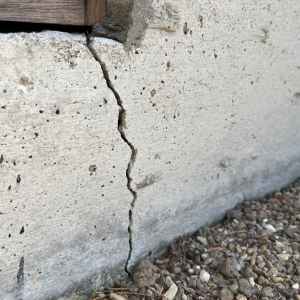
Before: A seller in the San Fernando Valley listed their home at full market price, the buyer’s inspector flagged the foundation, and the sale fell apart on day 22. They relisted at a lower price three months later with a damaged reputation on the MLS.
After: same problem, different approach. Disclose early, price it to reflect the condition from the first day it goes live.
Here’s a quick reference to keep your sale from going sideways:
Know your problem’s severity. A hairline crack near a corner is different from a bowing foundation wall. Get an engineer’s opinion before you make any pricing or repair decisions.
Pull repair estimates. Two or three written offers from California Contractors State License Board-licensed contractors give you a documented baseline. Buyers can’t argue with numbers they can verify.
Price to sell, not to hope. The reduction ranges covered earlier in this post assume you are pricing proactively with full disclosure. If you list at market price and the foundation issue surfaces at inspection, the effective discount is larger because you also lose the strongest buyers, gain days-on-market stigma, and have a stressful negotiation.
Understand FHA and conventional mortgage lending limits. Most lenders won’t fund a purchase on a home with an active, unresolved structural defect. Price that constraints into your expectations about who will actually close.
Decide your path early. Repair for the open market, price-reduced MLS listing, or direct cash sale. Each path has a different buyer pool, timeline, and net proceeds calculation. Running the math on all three before you commit saves time and money.
Keep your disclosures complete. Under California’s Civil Code, a seller of real property must disclose any known defects that materially affect the value of the property or a potential buyer’s desire to purchase. Everything you know goes in. Everything.
Frequently Asked Questions
Is It Hard to Sell a House with Foundation Issues?
It’s harder than selling a move-in-ready home, but it’s far from impossible. The difficulty comes mostly from buyer financing, since many mortgage lenders won’t approve loans on properties with active structural issues, and from pricing the home incorrectly from the start. Cash buyers and investors handle these properties routinely, and if you price accurately and disclose fully, you’ll find a buyer. The sellers who struggle are usually the ones who try to price at market value and hope the issue doesn’t surface during inspections.
Do Foundation Repairs Devalue a Home?
Unrepaired foundation problems reduce value more than repairs do, but even a completed repair doesn’t always restore full value without documentation. A repair backed by a closed permit, a structural engineer’s sign-off, and a transferable warranty from a licensed contractor carries real weight with buyers. Without that paper trail, buyers still price in uncertainty. The repair itself doesn’t automatically close the valuation gap. The documentation does.
Can You Live in a House While Foundation Repair Is Done?
For most types of foundation work, yes. In most cases, it is safe to live in a home with minor foundation problems, and virtually all foundations have small cracks from normal settlement that are not a structural concern but should be sealed to prevent water intrusion. Larger repair projects involving excavation, pier installation, or significant underpinning may require you to vacate certain areas of the home temporarily, and your contractor will tell you upfront if that’s the case. Major structural failures are a different matter and warrant a professional safety assessment before anyone stays in the home.
How Much Does It Cost to Fix a Foundation in California?
Foundation repairs in California typically range from $2,700 to $20,250 per project as of 2026, with California construction costs running roughly 35 percent above the national average. In Los Angeles and the Bay Area, that range extends higher. Seismic retrofitting, hillside stabilization, and expansive soil remediation all push costs toward the upper end. Your actual number depends on the type of foundation, the severity of the damage, local permit fees, and soil conditions specific to your property. Get at least two licensed contractor quotes before you budget for anything.
If you’re sitting with a foundation problem and trying to figure out what makes sense for your situation, we’re happy to talk it through. No obligation, no pressure to do anything on our timeline. Reach out to the team at Eazy House Sale and tell us what you’re working with. We’ll give you a straight answer, your options are, even if the best option isn’t us.
Helpful California Blog Articles
- How Much It Costs to List a Home on the MLS in California
- Appraisal Required Repairs in California
- How To Sell A House With Foundation Issues In California
- Do Sellers Pay Closing Costs In California
- Do You Need a Lawyer to Add a Name to a House Deed
- How Long Should You Live in a House Before Selling in California
- How to Sell a Flooded House in California
- Selling a House with Solar Panels in California