Sellers in California often get a rude awakening about closing costs when they finally see their settlement statement. They planned around the sale price. Nobody sat them down early enough to walk through what actually leaves their pocket before that wire hits their bank account. If you’re thinking about selling a property in the Golden State, this is the conversation worth having now, not the week before closing (when changing course is nearly impossible).
California Closing Costs Calculator: Estimate What You’ll Pay
California’s statewide median home price hit a record high of $930,260 in May 2026, then settled at $904,640 in June 2026, and on a number like that, closing costs are not a rounding error. They’re real money, and they are part of the equation from day one.
That June figure was still 0.4% higher than a year earlier. On a sale at that price, a seller’s total outlay at closing can range from roughly $72,000 on the low end to well over $90,000 if commissions and concessions stack up. The spread exists because no two transactions are identical, and in my experience, the gap between those two numbers usually comes down to how much the seller agreed to give back in negotiations.
A closing cost calculator is a useful starting point, but treat it as a ballpark. Your actual number depends on your county, whether you’re in a city with its own transfer tax, what your lender charges for payoff processing, and what the buyer negotiates out of you in the contract. Sellers in Los Angeles City often face layers (county, city, and voter-approved transfer measures) that sellers in smaller inland communities do not.
Northern California and Southern California also follow different customs: in NorCal, buyers typically cover the owner’s title insurance policy and full escrow, while the SoCal custom puts the owner’s title on the seller and splits escrow costs 50/50. Those regional differences can shift a few thousand dollars in one direction or the other, depending on where your property sits. A seller in Pasadena and one in Sacramento may be selling the same price home and carrying different closing bills.
Ask your escrow officer for a preliminary net sheet early in the process. The document shows your estimated proceeds after every fee is stripped out. At Eazy House Sale, we walk sellers through exactly that math before they make any decisions, so there are no surprises at the finish line.
Who Pays Closing Costs in California, the Buyer or the Seller?
Both parties pay, and the split is nowhere close to equal.
Closing costs run about 2.71% of the sale price for sellers (excluding agent commissions), and realtor fees add another 5.47% on average, making commissions the largest single expense. Buyers handle their own set of costs, mostly tied to their mortgage loan, but those costs are a fraction of what the seller absorbs.
While there are customs for who pays which costs in California, nearly everything is negotiable; market conditions and the leverage each party holds determine who ends up covering what. In a hot seller’s market, as we saw across San Diego and the Bay Area in recent years, buyers were rarely in a position to ask for anything. In a softer environment, sellers sometimes chip in toward buyer costs (closing costs, repairs, rate buydowns) just to keep a sale from falling apart. Cash home buyers in Pasadena can offer another option for sellers who want to avoid negotiating over extensive buyer concessions.
An escrow company serves as a neutral third party, making sure all funds are handled correctly and that each side receives its proper accounting at close. The escrow process is where all those costs get sorted and disbursed. Sellers fund their side from sale proceeds; buyers bring their costs to close. The escrow officer reconciles everything, which means that by the time you sign the final documents, every dollar has a destination.
One thing I keep seeing: sellers agree to “pay closing costs” as a concession without actually knowing what that phrase covers in their specific contract. Read the line item breakdown before you agree to anything.
How Much Are Closing Costs for Buyers in California?
Are you a buyer reading this alongside a seller? Good, this section is yours.
Buyers in California shoulder around 2% to 5% of the purchase price in closing costs. On the surface, it might sound lighter than the seller’s share, but on California prices, it still adds up to real money fast. Much of that comes from lender-required fees tied to the home loan: the origination fee, appraisal, credit report, and prepaid interest (the interest clock starts at funding). Cash buyers skip a chunk of those entirely.
Mortgage-related expenses such as loan origination fees, private mortgage insurance, and other lender-related fees are the responsibility of buyers. On top of those, buyers typically pay recording fees and, depending on the region, may cover the lender’s title insurance policy. A lender’s title insurance premium protects the bank’s interest in the property (separate from your ownership coverage), so it’s not the same as the owner’s title insurance that protects the buyer’s legal ownership.
What often gets left out of buyer cost conversations is the homeowner’s insurance premium due at closing. Lenders typically require at least one year of coverage paid upfront, and in parts of California, wildfire zone premiums are running much higher than they did just a few years ago, so the number you quoted in January can look very different by the time you reach the closing table. Budget for that before you close, not after.
How Much Are Closing Costs for Sellers in California?
Get this section wrong, and you’re negotiating your sale price based on a number that doesn’t exist.
Average seller closing costs in California, excluding agent commissions, run about 2.71% of the purchase price. On a $582,000 home, that’s roughly $15,800; on a home near $1.16 million, it jumps to around $31,500. Add commissions on top, and your total outlay looks much steeper (and that number surprises most sellers I work with).
Typical seller costs in California include title and closing service fees, owner’s title insurance, the real estate transfer tax, and recording fees. Additional items may include buyer concessions, a prorated property tax bill, and real estate attorney fees.
The transfer tax tends to surprise people because it layers. California’s base documentary transfer tax rate is $0.55 per $500 of property value, which works out to $1.10 per $1,000 of the property value. Standard California counties follow that baseline rate, but charter cities have independent authority to layer on additional municipal transfer taxes above the county base. Sellers in Los Angeles, for example, should ask their title company or escrow officer to confirm exactly which transfer taxes apply to their address before signing anything (city rates can double the total).
HOA transfer fees surprise sellers at closing, too. If your property sits in a homeowner association, expect the HOA to charge a transfer fee and document preparation fee at closing. Those amounts vary by association and can range from a few hundred to over a thousand dollars, depending on the management company.
A couple of years ago, I worked with a seller in Rancho Santa Margarita who was shocked to see a $1,800 HOA transfer packet fee on their closing statement. Nobody had flagged it during the listing process. That’s a conversation to have with your HOA the day you list, not the day before closing.
Does the Seller Pay a Real Estate Agent Commission in California?
The NAR settlement that took effect in August 2024 changed the rules, but not necessarily the outcome.
After the August 2024 NAR settlement and California’s AB 2992, which became effective January 1, 2025, buyer-agent and seller-agent compensation are now negotiated separately, and sellers are no longer required to pay the buyer’s agent. That’s the rule. The practice is somewhat different.
Both sides are still frequently covered by sellers. Technically, each party is responsible for their own agent, but in most sales, the seller still agrees to pay the buyer’s agent fee, now called a “buyer-agent concession,” negotiated outside the MLS. In competitive markets across Southern California, sellers who refuse to offer any buyer-agent concession sometimes watch their homes sit longer.
A February 2026 survey of local real estate agents found the average total real estate commission in California is 5.47%, below the national average of 5.70%. Your listing agent’s side runs around 2% to 3%, with the buyer-agent concession stacked on top. Commission rates are negotiable, every one of them. There is no fixed fee, no legal standard, and agents who tell you otherwise are not being straight with you.
For sellers who want to avoid commissions altogether, selling directly to a home buyer is one real option. Eazy House Sale buys homes directly from California homeowners without the listing, the showings, or the commission structure that traditional sales require.
How to Save Money on Closing Costs in California
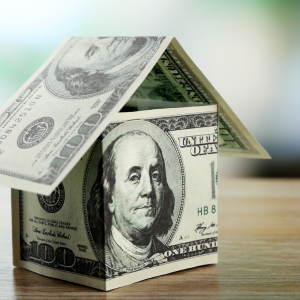
One seller I worked with in Chula Vista thought they were locked into every fee they’d been handed. Fifteen minutes of honest conversation later, they’d negotiated down three of them.
Most sellers accept their closing cost estimate as fixed, even though nearly every line item on that sheet is open to negotiation. Title insurance premiums, escrow fees, and yes, agent commissions are all open to conversation before you sign anything. Shopping title companies in California is allowed and can save real money. Escrow fees in Southern California are often split between buyer and seller by custom, but that split can be renegotiated in the purchase contract. Sellers who would rather skip those line items altogether often start by talking to cash home buyers in San Diego.
If your buyer is asking you to cover their closing costs as a concession, weigh that against your net carefully. A buyer asking for $8,000 in seller concessions on a $700,000 transaction is effectively lowering your net proceeds by that same amount, leaving you with less than the sale price you think you are getting. Sometimes meeting in the middle on the price is cleaner than stacking concessions on top of an already full closing statement.
Transfer tax is another line worth understanding. Under California Revenue and Taxation Code Section 11911, the tax is calculated on the sale price minus only those liens the buyer takes over. A mortgage you pay off at closing does not reduce the taxable amount, so almost every seller pays transfer tax on the full purchase price.
Homes in California were sitting on the market for a median of 43 days as of June 2026, so a seller who prices right and prepares their documents early closes faster and avoids carrying costs that quietly eat into their net. Sellers a few months short of the two-year mark should also weigh how long to live in a house before selling, since the tax hit on an early sale usually dwarfs a few more mortgage payments. Every month of mortgage payments, property taxes, and insurance that you pay while the home sits is money you won’t see at the closing table.
An owner in Long Beach recently reached out after accepting a job transfer with five weeks to vacate. The garage was full of equipment from a home business (think commercial-grade shelving, compressors). A traditional listing wasn’t going to work; the timeline was simply too tight. We got them a fair cash offer within days, no commissions, no repairs, no staging. Sometimes speed is worth more than squeezing every dollar out of a traditional sale.
Frequently Asked Questions
A seller in Temecula called last year, confused about why their net sheet showed a number so much lower than what they’d seen on Zillow. Their home was worth what they thought. The costs just hadn’t been part of their math.
How Much Do Sellers Pay in Closing Costs in California?
Seller closing costs in California run between 8% and 10% of the home’s sale price when commissions are included. On a median-priced California home, that adds up to tens of thousands of dollars deducted directly from your proceeds at closing. Your exact number depends on your county, your city’s transfer tax, whether you pay any buyer concessions, and what commission structure you’ve agreed to.
How Much Are Closing Costs on a $300,000 Home in California?
On a $300,000 sale, a seller in California can expect to pay roughly $8,000 to $9,000 in non-commission closing costs, plus agent commissions if you’re using a listing agent. At the 5.47% average commission rate, that’s another $16,400 or so in agent fees, putting your total outlay in the range of $24,000 to $25,000 before any buyer concessions. Cash buyers typically pay a smaller slice since they skip lender-related fees entirely.
Can a Seller Refuse to Pay Closing Costs?
Yes. Whether a seller pays the buyer’s costs is a matter of local custom, not legal requirement; either party can negotiate who covers what, and the agreement gets written into the purchase contract. In a strong seller’s market, refusing concessions rarely kills a sale. In a slower market, flexibility on closing costs can be what keeps a buyer at the table. Know your leverage before you dig in.
How Much Are Closing Costs on a $500,000 House in California?
On a $500,000 sale, non-commission closing costs typically run around $13,000 to $14,000 based on the 2.71% average. Add the 5.47% average commission, and you’re looking at another $27,400 in agent fees. All in, a seller at that price point should plan on roughly $41,000 coming out of their proceeds at close, before any negotiated concessions or buyer credits. Getting a preliminary net sheet from your escrow company early gives you the clearest picture.
If you want to talk through your numbers before you commit to anything, we’re here. No pressure, no obligation. Reach out to Eazy House Sale, and we’ll give you a straight answer on what your options actually look like in today’s California market.
Helpful California Blog Articles
- How Much It Costs to List a Home on the MLS in California
- Appraisal Required Repairs in California
- How To Sell A House With Foundation Issues In California
- Do Sellers Pay Closing Costs In California
- Do You Need a Lawyer to Add a Name to a House Deed
- How Long Should You Live in a House Before Selling in California
- How to Sell a Flooded House in California
- Selling a House with Solar Panels in California