
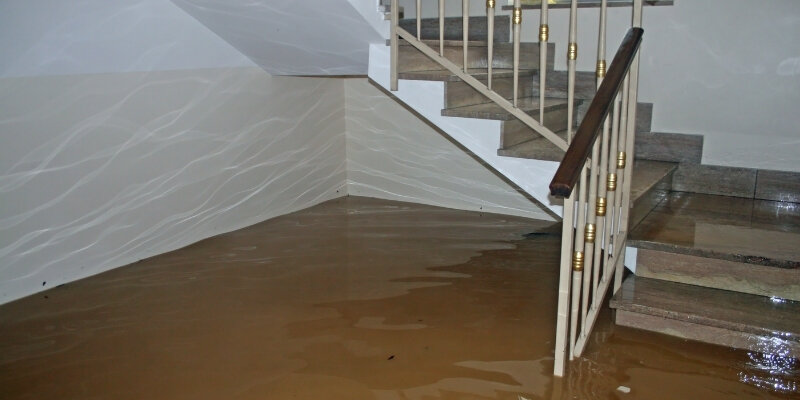
Floodwater doesn’t care about your timeline. It doesn’t care that you just refinished the floors in Downey, or that the Riverside house you inherited still has your mother’s furniture in it. Water comes in, does its damage, and leaves you standing in a gutted living room.
You can sell a flooded house in California, damage and all. Getting a fair outcome without bleeding money at every turn takes a plan.
The California Flood Sale Reality Check
The California Association of Realtors put the statewide median price for an existing single-family home at $887,680 in July 2026, up 0.3 percent from a year earlier. That’s a healthy market, and it isn’t your market if your property spent three weeks under a foot of water. Flood damage pulls your house out of that number and into a smaller conversation, where buyers thin out, and lenders get skittish.
Water-damaged homes sell at a discount, and anyone who hands you a tidy percentage is guessing. How big that gap runs depends on the water, the structure, and the zip code.
A retired couple in Rancho Cucamonga had burned through two agents before they called me. Both listings expired without a single offer, and their flood-damaged home sat close to eight months while they paid rent elsewhere. We walked the garage together, past a waterlogged chest freezer, and worked out a number that made sense. They closed in under three weeks.
Statewide, a single-family home in California took a median of 26 days to sell in July 2026. That figure has nothing to do with a flood-damaged property, and your buyers are a much smaller group.
What Types of Damage Can You Sell a House with in California?
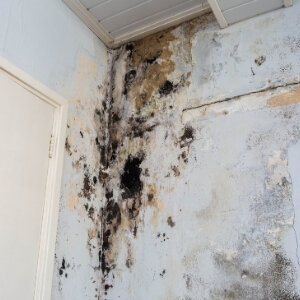
A wet crawl space, a flooded garage, a ruined subfloor, and black mold climbing the drywall. When selling a storm-damaged house, you can sell it all, with conditions attached.
Restoration crews sort water into three categories by source. Clean water from a burst supply line is the low-risk case. Graywater from appliances or overflows carries contaminants and requires more remediation. Blackwater includes sewage backups and floodwater from rivers and storm drains, the most hazardous and most expensive to fix.
California sellers also sell houses with fire damage, smoke damage, structural movement due to shifting soil, and mold in wall cavities. None of that kills a sale by itself. What it does is change who your buyer is. Conventional lenders won’t finance active structural damage or untreated blackwater, which leaves cash buyers, renovation-loan borrowers, and investors who know what they’re taking on.
Flood damage that reaches a slab foundation is its own animal. Foundation involvement changes the math and the structural review that a buyer’s contractor will want. Get it looked at before you set a price.
Can You Sell a Fire-damaged or Flood-damaged House in California?
Yes, and the law doesn’t require you to fix anything first.
California allows you to sell a home in its current condition, whether damaged or even unsafe. As-is doesn’t let you hide anything, though, and you still owe buyers the truth about known problems that affect value or safety. Lie on a disclosure form, and a buyer can come after you for repair costs and attorney fees, and, in some cases, ask a court to undo the sale.
Most conventional and FHA lenders won’t fund a home with active water damage. Your realistic buyer pool is cash buyers and renovation-loan borrowers, a smaller group that moves fast. Investors working the Central Valley, the Inland Empire, and the Sacramento region buy flood-damaged homes every week. Cash house buyers in Chino, CA, see water damage often enough that it doesn’t scare them off. They’re not doing you a favor, but their offers are real, and their closings don’t fall apart at the appraisal.
Fire damage behaves the same way, with smoke and soot adding their own line items. Price it honestly, disclose fully, and aim at the right buyers.
How to Assess Your Home’s Damage Before Selling in California
Walk the house with fresh eyes and write down everything you see, because skipping this step costs sellers thousands.
Not everything that looks ruined is structurally compromised, and not everything that looks fine actually is. Floodwater gets up into wall cavities behind paint that looks untouched. The EPA recommends drying wet materials within 24 to 48 hours because mold can develop within that window.
Hire a licensed home inspector and bring in a certified industrial hygienist if mold is even a possibility. A written report gives buyers something concrete to anchor an offer to.
Then get a licensed contractor’s remediation and repair estimate. That number is your negotiating baseline. If repairs run $80,000 and a cash buyer wants $120,000 off the price, you have something to push back with.
Photograph everything before cleanup starts. Keep inspection reports, receipts, and claim records in one place, because that paper trail protects you in the event of disclosure and in any dispute afterward.
What You Must Legally Disclose When Selling a Damaged House in California
I underestimated the disclosure law early on. California expects sellers to share far more than “there was a flood.”
Civil Code section 1102 requires a Transfer Disclosure Statement on most residential sales. Section 1102.1 says delivery of that statement can’t be waived in an as-is sale, and section 1102 makes any waiver of the article void as against public policy, distressed condition or not.
Sellers disclose every instance of leaks, flooding, or water damage. Burst pipes, roof leaks, sump pump failures, past insurance claims, all of it. Repaired and approved claims still count. Buyers and their lenders pull the claims history anyway, so leaving one off buys you nothing except legal exposure.
You also owe a Natural Hazard Disclosure, which shows whether the property sits in a flood zone, fire hazard area, or earthquake fault zone. A FEMA Special Flood Hazard Area designation is material information because lenders there require the buyer to carry flood insurance.
Hiding flood damage costs far more than disclosing it. A buyer who finds concealed water damage can sue for money or ask a court to rescind the sale. Individuals can file in small claims for up to $12,500, and the Superior Court handles anything above that. Your attorney can walk you through the forms, and the California Department of Real Estate publishes guidance for California sellers.
How Insurance Claims Affect the Sale of a Damaged House in California
Your insurance claim is the next decision, and sellers tend to rush it.
Selling with an open claim is legal as long as you tell buyers. Cash buyers handle it often, though an open claim can stretch your timeline. Specify in the purchase contract whether the payout remains with you or transfers to the buyer.
NFIP sets one deadline you cannot miss. A signed proof of loss must reach the insurer within 60 days of the flood unless FEMA grants an extension, and payment generally follows 4 to 8 weeks after approval. If you’re selling as-is, the timing won’t block the sale, but it decides whether you close before the money lands or after.
Claims follow the property on its CLUE report so that future owners will see yours. Disclosed, that’s fine, though it can still narrow the pool of insurers willing to write the buyer a policy.
Never accept a payout without a remediation estimate in hand. If your contractor says $90,000 and the insurer offers $55,000, you have grounds to negotiate or to bring in a public adjuster.
Should You Repair Your Damaged California Home or Sell It As-is?

Repairing first rarely pencils out the way sellers expect.
Full remediation and rebuild after serious flooding runs six figures across much of California, especially in coastal markets and older housing. You pay contractors, you wait months, and the flood history still sits on your disclosure form. Buyers price that history in, no matter how fresh the drywall looks.
Repair-and-list works in one scenario. Your coverage pays most of the remediation, you can ride herd on contractors, and the after-repair value justifies the wait. In a strong stretch of Pasadena or Long Beach, that math can land in your favor. A company that buys houses in Long Beach, CA, can quickly tell you whether the repair value is really there. Where values are softer and offers come in low, as-is is the cleaner exit.
Selling as-is means what buyers see is what they get. No repairs, no improvements, no replacing a broken furnace because the inspection found it. Paired with full disclosure, it’s a clean way to sell a flooded house.
What Is Your California Home Worth After Damage?
Post-damage value doesn’t follow the formula appraisers use on intact homes, and online estimators won’t touch it.
An appraiser starts with the after-repair value, which is what the home would bring fully restored. From there come deductions for repair cost, then more for risk, stigma, and time.
Cash buyers in San Diego or the San Fernando Valley run the same direction on a rule of thumb: some share of after-repair value, minus repairs, minus their margin. Severe contamination with foundation involvement pushes that share down hard. Contained damage from clean water, in a neighborhood with strong comps, pushes it back up. Nobody can hand you a percentage sight unseen, and I’d distrust anyone who tries.
Severity and location move the number. A flooded bungalow in Pasadena and a flooded tract home in Fresno are two different conversations.
How to Price a Damaged House in California
Sellers argue that pricing low just invites low offers. Undamaged houses in hot markets work that way, and flood-damaged ones don’t.
Distressed-property buyers run their numbers before they ever see your listing. They know remediation costs in your zip code and what the finished house sells for. Working backward from a target margin, they need room for it to exist. If your price leaves no room for that margin, nobody counters. Priced too high, you don’t get better offers. You get silence.
Three inputs set a defensible price: your remediation estimate, recent comps for undamaged homes nearby, and an honest read on how bad the damage is. Subtract repairs from the comp, then discount further for the buyer’s risk and carrying costs. Call that your starting point, not your ceiling.
Don’t price for the buyer you wish would show up. Cash investors and Eazy House Sale look at flood-damaged properties all over California all year long.
What Are Your Options for Selling a Damaged House in California?
A family in Fontana watched two agent listings expire on their flood-damaged property. They switched to a direct cash offer and closed in 18 days. Six months of carrying costs had already eaten the difference.
You have three paths. Listing with an agent means staging what you can and waiting on a buyer willing to take the damage, which suits a minor problem in a desirable location. Visible flood damage rarely attracts financed buyers, and commission comes off your net either way.
Selling as-is to a cash buyer is the direct route for severe damage: no repairs, no staging, no open houses, no waiting on a lender. You take a price that matches the condition and close on a timeline you choose. Cash offers land at a price below what a restored home brings, and that gap looks small compared to the real cost and calendar of repairs.
Partial repair is the third path. Handle the remediation, mold removal, dryout, and structural work, then skip the cosmetic renovation and list. It costs less than a full rebuild and slightly widens the buyer pool.
Who Buys Damaged Houses in California?
Sellers picture bottom-feeders lobbing insulting offers and vanishing when anyone pushes back. That costs them money.
Cash home buyers and distressed-property investors are professionals. They have crews, they have money lined up, and they close every week from Sacramento down to San Bernardino. Their offers get calculated, not guessed, and there’s usually room to negotiate once you put remediation estimates and comps in front of them.
Owner-occupants buy flood-damaged homes too, mostly where undamaged inventory is scarce. They use renovation loans that cover both the house and the repairs. Around the Bay Area and coastal Southern California, a well-disclosed flood-damaged home in a strong location can even draw competition.
Real estate agents with distressed-property experience are a different resource than a general listing agent. They know which investors are buying in your market, and some can run a quiet off-market process that draws several cash offers.
Eazy House Sale buys California homes in their current condition, so sellers don’t have to manage repairs or wait months for the right buyer to appear.
How to Sell a Damaged House Fast in California
A property manager in Chula Vista called after her rental flooded in a heavy January rain. Tenants gone, kitchen destroyed, mortgage on her alone. She had a cash offer by Thursday and closed 16 days later.
Speed in a flood-damaged sale comes from preparation, not luck. Sellers who move fast have the TDS, the natural hazard disclosure, the contractor’s estimate, the claim file, and pre-cleanup photos ready before the first walkthrough. Buyers who can close won’t wait two weeks on paperwork.
Accurate pricing drives speed more than anything else does, and a clean file keeps the closing on schedule.
If speed is the priority, the MLS isn’t your friend. Every day on the market costs you, and a direct sale to a buyer like Eazy House Sale cuts most of that away.
How to Avoid Lowball Offers on a Damaged House in California
A remediation contractor in Fresno charges nothing like one in Marin County.
Regional cost swings across California are enormous, and knowing your local numbers is your first defense. An investor who calls your $40,000 estimate way off can be answered with a second estimate. Two estimates from two licensed contractors give you a number you can defend.
Your leverage here is information. Hand over the inspection report, the remediation estimate, and the comps for undamaged homes nearby. Present the flood damage as a bounded problem with a price tag, not a mystery that could balloon.
Two interested buyers beat one, and you don’t need ten. A lone buyer creates a take-it-or-leave-it dynamic that favors them, not you. If only one party is calling, drum up more interest before you sign anything.
Reject any offer that arrives without a proof-of-funds letter. Legitimate cash buyers produce one immediately. Buyers who stall are usually assigning contracts or fishing.
How Long Does It Take to Sell a Damaged House in California?

Conventional wisdom says flood-damaged homes take forever to sell. That holds only when you push them through channels built for undamaged property. Listed on the MLS without buyer targeting, a flood-damaged house can sit for months while you carry insurance, utilities, and taxes. A cash sale to a prepared investor closes in two to three weeks from first contact.
The variables that stretch a timeline are predictable. An unsettled insurance claim. Title trouble from unpermitted repair work. Probate. Remediation is still going on when the buyer’s inspector shows up. Clear those before you accept an offer, and the path gets shorter.
Probate adds court oversight, and the extent depends on the estate. Ask your attorney early whether the property qualifies for independent administration or needs court confirmation.
A woman settling her father’s estate in Temecula had been managing the house from out of state. It flooded the previous winter, and his belongings still filled the spare room. She wanted out without running a renovation remotely, so we worked around the estate timeline, helped coordinate disclosures, and closed without her meeting a single contractor.
Frequently Asked Questions
How Hard Is It to Sell a House in a Flood Zone?
Harder than selling outside one, and nowhere near impossible. California requires sellers and their agents to disclose that a property sits in a flood hazard area, since that’s a material fact for any buyer weighing the sale. The pool does narrow, because lenders require flood insurance in Special Flood Hazard Areas, which raises the buyer’s monthly cost. Cash buyers skip the lender requirement, which makes them the practical option in high-risk flood zones. A buyer who already understands flood zone property, like the team at Eazy House Sale, gets you past that friction faster than an MLS listing will.
Do Realtors Have to Disclose Water Damage?
In California, sellers and their real estate agents both owe buyers a disclosure of known flood-hazard issues and past water damage, including floodplain status. An agent who withholds it carries the same legal exposure as the seller does. Make sure yours knows exactly what happened and when, and don’t let anyone soften the language on the disclosure forms. Transparency is what protects you once the sale closes.
How Long Are You Liable for a House After You Sell It?
It depends on the claim. Fraud claims run three years under Code of Civil Procedure section 338(d), and the clock doesn’t start until the buyer discovers the facts. Construction defect claims are subject to separate repose periods. Ten years for latent defects under section 337.15 and four years for patent ones under 337.1. Section 337.15 doesn’t shelter willful misconduct or fraudulent concealment either. So, hidden water damage discovered years later can still lead to a lawsuit if the buyer shows you knew. Disclosing what you know at the time of sale is the only clean way out.
Can You Sell a House with Water Damage?
Yes. California lets you sell a home in its current condition as-is, but never lets you skip disclosure. Water-damaged houses change hands across the state constantly. Accurate disclosure, realistic pricing, and the right buyers are what make a sale work. If you’d like to talk through your own situation, we’re here whenever you’re ready. You can contact us, and we’ll go over the numbers with you.
Helpful California Blog Articles
- How Much It Costs to List a Home on the MLS in California
- Appraisal Required Repairs in California
- How To Sell A House With Foundation Issues In California
- Do Sellers Pay Closing Costs In California
- Do You Need a Lawyer to Add a Name to a House Deed
- How Long Should You Live in a House Before Selling in California
- How to Sell a Flooded House in California
- Selling a House with Solar Panels in California
- How to Sell a Rental Property Without Paying Taxes
- How Long Can a Seller Stay in the House After Closing?
- Selling a Storm-Damaged House Without Losing Money