

Look, selling a house in Los Angeles already comes with enough paperwork. The deed is just one piece of it, and honestly, it’s not as complicated as people make it out to be.
You’ve probably heard all sorts of conflicting advice about whether you need the original, whether a copy works, or if you’re totally stuck without it. Let’s cut through the noise.
The deed matters, sure, but there’s a lot of flexibility in how you handle it. Most sellers get worked up over nothing when it comes to this particular document.
What Is a Property Deed and Why Does It Matter?
Your property deed is the legal document that proves you own your house. It shows your name, describes exactly where your property sits, and creates an official record that you’ve got the right to sell.
When the previous owner sold to you, they signed a deed transferring ownership. You’ll do the same thing for your buyer.
The physical deed you might have at home is really just a copy for your records. The version filed with Los Angeles County is the legal proof.
Once it’s recorded in the public records, that’s your official ownership documentation. The paper in your filing cabinet could disappear tomorrow, and your ownership wouldn’t change one bit.
Eazy House Sale makes a straightforward cash offer upon confirmation of ownership through the recorded deed. We handle the paperwork and closing process, allowing you to sell with confidence—no repairs, no commissions, and no delays.
Types of Deeds in Los Angeles Property Transactions
California uses several deed types, each with its own set of guarantees. The deed you choose when selling determines the promises you make to your buyer about the property’s title.
Grant Deeds vs. Quitclaim Deeds in California
Grant deeds are the most used in California real estate sales for good reason. This deed type includes two built-in promises: you haven’t already sold the property to anyone else, and you haven’t created undisclosed liens against it.
Buyers love grant deeds because they get real protection. Quitclaim deeds are totally different. They transfer whatever ownership rights you have, but guarantee nothing about what those rights are.
You might own the whole property, half of it, or have some weird partial interest. The quitclaim deed just says “here’s whatever I’ve got” without any promises.
These show up in divorces, family transfers, and title cleanups. Sellers almost never use them for regular cash sales.
Which Deed Type Do You Currently Have?
The easiest way to find out which deed type you currently have is to check your Los Angeles County property records online or find the paperwork from when you got the house. The deed type gets listed right at the top of the document.
Most people who bought their homes through traditional sales received grant deeds. Inherited properties often come with probate documents or with entirely different deed types.
Divorces typically involve quitclaim deeds, the same as gifts from family members, or adding a spouse to the title after marriage. The deed type you currently hold doesn’t restrict what you can use when selling.
You can receive property through a quitclaim deed and then sell it with a grant deed.
Do I Need the Deed to Sell My House in Los Angeles, CA?
You don’t really need a deed to sell your house in Los Angeles, CA. The physical deed sitting in your drawer isn’t what gives you the legal right to sell your property.
What matters is the recorded deed at the LA County Registrar-Recorder’s office. That’s the official version that proves ownership. Your copy at home is basically just a souvenir from when you bought the place.
When you sell, your title company will pull the recorded deed directly from county records. They’ll verify you’re the legal owner and check for any issues with the title. They don’t need your physical copy to do any of this. The county has everything digitally stored and accessible.
So if you’ve lost your deed or never received one in the first place, you can still move forward with selling. The sale process doesn’t grind to a halt just because you can’t find that piece of paper.
Do I Need My Title Deeds to Sell My House in Los Angeles, CA?
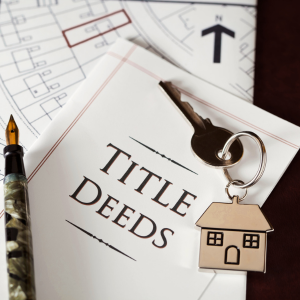
Nope, you don’t need the physical title deeds to complete a sale. People sometimes use “title” and “deed” interchangeably, but they refer to the same basic thing: proof of ownership. And like we just covered, you don’t need the actual document in your possession. What you need is a clear title, not having the title deed in your hands.
A clear title means you legally own the property free of major liens or claims. Your title company verifies this by searching public records, not by looking at your personal paperwork.
They’ll order a title report that looks through decades of ownership history for your property. They’re checking that you actually own what you’re selling and that there aren’t any surprises hiding in the background.
Your buyer will get title insurance based on this research, not based on whether you can produce a dusty old document from your closet. So breathe easy. You’ve got what you need to sell even without those physical deeds.
If you’re ready to move forward, contact us for a straightforward offer. We’ll work with the title company to verify ownership and handle the details—no physical deed required.
Original Deed vs. Recorded Deed: What’s Required for Sale
There are actually two versions of your deed floating around, and only one matters for selling.
The original deed is the signed document issued when you bought your house. It’s got real signatures, maybe even a notary seal. It probably lives in a safe deposit box or filing cabinet somewhere. That’s your personal copy. It’s nice to have, but it’s not legally required for anything.
The recorded deed is the one that got filed with LA County after your purchase. This is the version that lives in public records forever. It’s what makes your ownership official and legal. When someone searches property records for your address, this is what they find.
For selling purposes, the recorded deed is the only one that counts. Your title company pulls information directly from county records to verify ownership and prepare the sale. They couldn’t care less about your personal copy sitting at home. The recorded version has all the same information, and it’s the legally binding one anyway.
So if you’re panicking because you can’t find your original deed, stop. You don’t need it to sell. The county’s got everything backed up in their system. Situations like this are just one small part of how to sell a house in Los Angeles, CA while living in it without adding unnecessary stress.
Where Is Your Property Deed Actually Recorded in Los Angeles?
Your deed lives at the Los Angeles County Registrar-Recorder/County Clerk’s office. They handle all property records for LA County, which is a massive job given the number of properties involved.
The office maintains both physical records and digital copies of every deed filed in the county. When you bought your house, your closing company filed the deed with this office within a few days of your purchase. That filing is what made your ownership official and a public record.
You can access these records yourself pretty easily. The county has an online database where you can search by address or owner name. It’s free to search, though you’ll pay a small fee to download official copies. Most title companies and real estate professionals use the same records when researching properties.
The entire system is public, meaning anyone can look up who owns what property in Los Angeles County. That’s actually a good thing for you as a seller.
It means your ownership is transparent and verifiable, which makes the sale process smoother. Your buyer’s title company will pull the same records to confirm everything checks out before closing.
What Happens If You Can’t Find Your Original Deed
No need to panic if you can’t find your original deed. This happens all the time, and it’s not a dealbreaker for selling your house.
As we talked about, the original deed is just your personal copy. It’s not the legal document that proves you own the property. That’s sitting safely in the county records, where it’s been since you bought the place.
Most sellers never even look at their original deed during the sale process. Your title company handles everything using the recorded version from the county. They’ll pull that information and verify your ownership. They’ll prepare all the new paperwork for transferring the property to your buyer. Your missing copy doesn’t slow them down at all.
If you really want a replacement for your own records, you can order a certified copy from the LA County Registrar-Recorder’s office. It costs maybe twenty bucks and takes a few days to arrive.
But honestly, unless you just like having complete files, there’s no rush to do this. You can sell your house first and worry about replacing the deed later if you even care to. The bottom line is that losing your original deed is basically a non-issue. It feels like it should be a huge problem, but it’s really not. Your sale can move forward without it.
The Role of Title Insurance in Verifying Your Deed

Title insurance protects the buyer from ownership issues that may arise after the sale. Verifying your deed is a major part of how that whole thing works.
When you accept an offer, the buyer’s lender requires a title search. A title company reviews public records for your property to identify liens, unpaid taxes, or unusual ownership claims.
They’re confirming that the deed on file shows you as the rightful owner with the legal right to sell. If everything checks out, they issue insurance to your buyer and their lender.
The title company pulls everything from county records, not from your personal files. So even if you’ve never seen your original deed, they can still verify your ownership and complete the sale without you having to dig through old boxes.
How Escrow Agents Handle Deed Verification and Transfer
Your escrow agent is the middleman who ensures everyone does what they’re supposed to during the sale. They handle a lot of paperwork, and the deed is right at the center of it all.
Once you open escrow, the escrow agent coordinates with the title company to verify your ownership. They’re not asking you to bring in your old deed. Instead, they’re working from the title report, which pulls from county records. They confirm that you’re listed as the owner and have the authority to sell.
The escrow agent also prepares the new deed that will transfer ownership to your buyer. This is a fresh document with your buyer’s name on it. You’ll sign it during closing, and then the escrow agent files it with Los Angeles County to make the transfer official. They handle all recording fees and ensure they are submitted correctly.
Everything flows through escrow to keep the process organized. The agent collects signatures, distributes funds, and ensures the new deed gets recorded right after the sale closes.
Your job is pretty simple. Just show up, sign the paperwork, and let the escrow agent handle the technical stuff. They’ve done this hundreds of times and know exactly how to transfer the deed from your name to the buyer’s without a hitch.
How Does Missing Deed Information Affect Your Disclosure Obligations?
If you’re looking to sell your house for cash in Los Angeles and surrounding cities in California, it’s important to understand that California has strict disclosure laws when selling a home. You’re required to inform buyers about any material facts that could affect the property’s value or desirability.
Missing deed information doesn’t really change what you have to disclose. You’re still required to fill out the standard Transfer Disclosure Statement and reveal any issues you know about with the property itself.
The deed situation might arise if there are ownership complications. Like if you co-own the property with someone else, or if there’s a question about how you acquired it, or if there are easements or restrictions recorded on the deed. Those things affect the property, and buyers need to know about them. But not having your physical deed in hand doesn’t create new disclosure requirements.
Your title report will show anything recorded against the property that buyers need to know about. The title company flags these issues, and your real estate agent or attorney will help you understand what needs to be disclosed.
Most of the time, the title work catches things you might not even have known were there. That’s actually helpful because it means you won’t accidentally fail to disclose something important.
What Information From Your Deed Are You Required to Disclose?
You don’t need to disclose the deed itself, but certain information on it matters for your buyer. The deed shows how you hold title: whether you own it solo, jointly with someone, or as community property.
Buyers need to know whether other owners are involved, as that affects the sale. If your spouse is on the deed, they’ll need to sign off on the sale, too. The deed also lists any easements, restrictions, or covenants that run with the property. These are legal rights or limitations that stick with the house even after it sells.
For example, the neighbors have an easement to cross your driveway, or there’s a restriction about what color you can paint the house. This also applies when there’s a covenant about minimum square footage for additions.
Your title report will pull all this information straight from the recorded deed. The title company presents it to your buyer during their review period. You’re not personally responsible for reading through your deed and extracting every detail. The title work handles that part. Your job is to review what the title company finds and confirm it’s accurate.
Anything that shows up on the title report becomes part of what your buyer is agreeing to purchase. They can’t come back later and claim they didn’t know about an easement that was clearly listed in the title documents. That’s why title insurance and the title review period exist. It’s to make sure everyone knows exactly what’s being transferred before the sale goes through.
Steps to Complete a Property Sale Without Your Original Deed
Selling without your original deed looks pretty much the same as any other sale, just without you having to hunt down that old document.
Order a Title Search and Title Report
The first thing that happens is your title company orders a title search. They look into LA County records to pull up everything about your property’s ownership history.
The title search shows who owns the property right now, what liens are attached to it, and whether there are any claims or issues that could mess up the sale. They’re building a complete picture of your property’s legal status.
Once the search is done, you get a title report. This document lays out everything they found, which is your ownership, any mortgages or liens that need to be paid off at closing, easements, and any other encumbrances on the property. Your buyer gets a copy too, so they know exactly what they’re purchasing.
Work With a Title Company to Verify Ownership
The title company uses the information from their search to confirm you’re legit. They’re checking that the name on the county records matches you and that you’ve got clear authority to sell.
If there are any red flags, like a lien you didn’t know about or a name mismatch, the title company flags it early. You’ll need to clear up these issues before closing, but at least you know about them upfront instead of getting blindsided later.
They also coordinate with your lender if you’ve still got a mortgage. They’ll calculate your payoff amount and ensure the loan is paid in full at closing. Everything gets verified and organized so the ownership transfer goes smoothly.
Prepare the New Deed for Your Buyer
Your escrow agent or attorney prepares a brand new deed for your buyer. This document transfers ownership from you to them, and it’s got nothing to do with your old deed.
The new deed includes your buyer’s name, the property description, and the type of deed you’re using, usually a grant deed in California. You’ll sign this at closing along with all the other paperwork.
After you sign, the escrow agent records the new deed with the Los Angeles County Recorder. That recording makes the transfer official and puts your buyer’s name in the public records as the new owner. Your old deed becomes history, and your buyer gets their own recorded deed proving they own the place.
Deed Issues That Can Delay Your Los Angeles Home Sale
Most deed problems are fixable, but they can definitely slow down your closing if they pop up.
Liens and Encumbrances on Your Property
Liens are claims against your property from people or companies to whom you owe money. They are attached to the deed and must be paid off before you can transfer a clean title to a buyer.
Property tax liens are common if you’ve fallen behind on payments. Mechanic’s liens can show up if you didn’t fully pay a contractor who worked on your house. HOA liens happen when you owe unpaid dues or assessments. The IRS can even slap a lien on your property for unpaid federal taxes.
Your title search will uncover these. You’ll need to pay them off at closing or before, depending on the type of lien and your buyer’s comfort level. The title company calculates what’s owed, and your escrow agent deducts it from your sale proceeds to clear the lien.
Name Discrepancies or Errors on the Deed
Sometimes, the name on the recorded deed doesn’t match your current legal name. This happens if you got married or divorced and changed your name, or if there’s a typo in the deed from when it was originally recorded.
These mismatches freak buyers out because they make it look like you’re not actually the owner. You’ll need to prove you’re the same person through documentation. These may include marriage certificates, divorce decrees, court orders for name changes, whatever applies.
There are also cases when you need to file a corrective deed to fix errors in the original recording. Your title company or real estate attorney can help you sort this out. It adds time to the process, but it’s manageable as long as you deal with it as soon as the title report flags it.
How Cash Buyers Can Simplify the Deed and Title Process
Cash buyers make the whole deed situation way easier. They’re not dealing with a lender, which reduces many of the requirements.
Here’s what makes cash sales smoother when it comes to deeds and title work:
- Faster closings, often in one to two weeks instead of 30 to 45 days.
- More flexibility with minor title issues that would spook traditional buyers.
- Optional title insurance since there’s no lender requiring it.
- Fewer document requirements and less paperwork overall.
- Willingness to buy “as-is” even with deed complications
Some cash buyers, especially investor companies and cash home buyers in San Diego, Los Angeles, and other cities in California, have experience handling problematic title situations. They’re less likely to back out over small liens or minor name discrepancies.
They might even close the deal and fix the problems themselves after taking ownership. If your deed situation is complicated, a cash buyer could be your fastest route to selling the house.
Frequently Asked Questions:
Can I sell my house if I lost the deed?
Yes, you can sell your house if you lost the deed in Los Angeles, CA. Your physical deed is just a copy for your records. The official recorded deed lives in LA County’s public records, and that’s what the title company uses to verify ownership and process your sale. You can order a replacement copy if you want one, but it’s not required to close the deal.
How much does it cost to get a copy of my deed in Los Angeles?
LA County charges around twenty dollars for a certified copy of your recorded deed. You can request it online through the Registrar-Recorder’s website or visit their office in person. Processing usually takes a few business days.
What if there’s a mistake on my deed?
Mistakes happen, like typos in names, wrong property descriptions, and incorrect dates. You’ll need to file a corrective deed to fix errors in the public record. Your title company or real estate attorney can help you prepare the corrective document and record it. This adds time to your sale, but it’s a standard fix that clears up the issue permanently.
Key Takeaways: Do You Need a Deed to Sell a House in Los Angeles, CA?
You don’t need your original deed to sell your house in Los Angeles. The recorded version at the county is what counts, and title companies pull everything they need directly from public records. Your escrow agent handles the new deed preparation and filing, and the title company verifies ownership through county records, not your personal documents.
If you want to avoid the hassle and sell your LA house fast, Eazy House Sale buys properties in any condition for cash. We handle all the deed and title work to make the whole process simple. Give us a call at (855) 915-1382 or fill out the form below to get a fair cash offer today.
Helpful Los Angeles Blogs Articles
- How Do I Know If There Is A Lien On My Property in Los Angeles, CA
- How Much is Home Staging Cost in Los Angeles, CA
- Switching Real Estate Agents In Los Angeles, CA
- Selling a Flood-Damaged Home in Los Angeles, CA
- How Long Can You Go Without Paying Your Property Taxes in Los Angeles, CA
- Is Los Angeles, CA, safe?
- Sell Your House Directly To The Bank In Los Angeles, CA
- Best and Worst Neighborhoods in Los Angeles, CA
- Can I Rent Out My House During Divorce in Los Angeles, CA
- Should You Replace Carpet Before Selling a House in Los Angeles, CA
- Do You Need a Deed to Sell a House in Los Angeles, CA?
- Do Open Houses Still Work When Selling a Home in Los Angeles, CA?
- Selling a House with Termite Damage in Los Angeles, CA
- Can I Sell My House If I Have Equity Release in Los Angeles, CA?
- Selling a House With a Child Support Lien in Los Angeles, CA
- Can I Sell My Parents’ House with Power of Attorney in Los Angeles, CA?