

Your bathroom mirror fogs up after every shower and never really clears. You’ve been ignoring the musty smell in the guest bedroom for months. But when you start planning to sell your house, that dark stain spreading behind the kitchen sink becomes impossible to pretend isn’t mold.
Let me be direct: finding mold doesn’t kill your chances of selling. I’ve bought dozens of houses with mold problems across California, from Long Beach to the Inland Empire, and seen sellers navigate these situations successfully every time. The trick isn’t avoiding disclosure or hoping buyers won’t notice. The real strategy lies in understanding what you’re legally required to reveal and making smart decisions about remediation costs versus selling as-is.
How to Identify Mold Problems in California Homes Before Listing
If you’re planning to sell your home for cash in California, begin by inspecting for mold in common locations like bathrooms, attics, HVAC systems, crawl spaces, and any other spot where moisture might gather. California’s environment produces unique circumstances for mold growth, from the fog and condensation of the coast to the air conditioning systems that create moisture in long, hot summers.
Check for concealed spaces like ducts, window frames, or walls surrounding plumbing or pool equipment. Single-pane windows are particularly troublesome in older homes because condensation can develop and mold can grow behind walls and around window openings. Check old or dry water spots on ceilings or walls.
Many times, your nose is the first warning indication. Repeated musty smells are usually an indicator of mold growing behind walls, under flooring or in other hidden spots. Professional testing can help find problems before they impede the selling process if you detect strange odors, see traces of past water incursion, or suspect hidden mold.
California Mold Disclosure Laws Every Seller Must Know

California law requires sellers to tell buyers about any known mold hazards when selling a home. Most residential transactions need a state Transfer Disclosure Statement (TDS), which requires sellers to disclose known problems, including mold, moisture intrusion, water damage, and related hazards. If there’s mold in the property, you have to disclose it, whether the home is being sold as-is or not.
California treats mold more seriously than most states. If you can see mold, this is a substandard housing condition, and it might impact the habitability of a property. Mold is thus no longer considered a minor cosmetic problem but rather a material fault that could affect the decision of the buyer. Sellers are required to tell the truth about existing mold problems and also about any water damage that could have caused mold growth.
Disclosures are also required for mold problems that have already been fixed. Even if the problem was professionally handled and remediated, sellers should disclose the property’s mold history and the remediation work that was done. Not disclosing known mold hazards can subject sellers to lawsuits, financial damages, and even charges of fraud after closing. In most situations, transparency from the start is the best way to prevent future culpability.
Which Mold Issues Require Disclosure When Selling Your California House
California sellers are required to declare the presence of any known mold hazards, even if they seem minor or substantial. Surface mold on bathroom grout, caulk, tile or other non-porous materials may not seem like a big deal, but visible mold, musty aromas and indicators of moisture infiltration are all material facts that buyers should be made aware of prior to purchasing a property. Even a modest amount of mold can be a cause for concern as to the underlying moisture problems that need to be investigated.
Disclosure regulations are not just about visible mold. Any knowledge of mold hiding behind walls, under floors, in attics, crawl spaces, or HVAC systems should also be shared. Awareness of a mold issue might be confirmed by previous inspections, insurance claims, remediation reports, contractor assessments or repair records. Disclosures may also be required for water damage from roof leaks, plumbing failures, foundation problems or HVAC condensation if it caused mold or created conditions where mold could grow.
Sellers also need to understand that disclosure duties are not limited to active mold concerns. If the property previously had a mold problem and it was professionally remediated, that history should still be disclosed to future buyers. Documentation of remediation work, repairs or clearance testing might put buyers’ minds at ease: it shows transparency in the transaction.
Being forthright about mold and moisture problems might avoid delays, re-negotiations and legal battles after closing. Buyers are more inclined to feel at ease moving forward with full disclosures because they have a comprehensive picture of the property’s condition, and it helps create a foundation of trust and reduces potential liability for the seller.
Should You Fix Mold Problems Before Selling Your California House
How much you should spend on mold cleanup before you sell depends on the severity of the mold problem, the local market conditions, and the type of buyer you want to attract. Renovating the home can make it more appealing to buyers, but the cost of remediation is generally not recovered in the sale price. Sellers should weigh the likely cost of repairs against the effect on the value and marketability of the home.
It is also important to note that repair does not eliminate disclosure obligations. Even if it was professionally remediated, sellers in California are obligated to disclose any known problems with mold as well as any previous cleanup work. So even if you spend thousands of dollars on remediation, it may not completely allay the buyer’s anxieties, especially if there is a documented history of mold or water intrusion in the property.
The kind of buyer may also influence the financial feasibility for cleanup. Buyers using traditional mortgage financing may want the mold issues taken care of prior to closing, and some lenders may require remediation prior to providing a loan approval. Cash buyers and investors are prone to buying properties as-is and doing their own modifications.
If you have a major mold problem or if you need to sell fast, working with a company like Eazy House Sale can be a smart move. We buy the house as is, so you do not pay for repairs, you do not wait on contractors, and you can move on without a big cleanup hanging over you.
What Does Mold Remediation Cost for California Homeowners
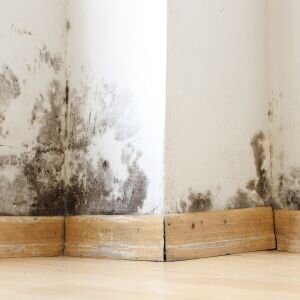
The cost of mold remediation in California varies greatly based on the size of the affected area, the location of the mold and the intricacy of the cleanup. For many single-family houses with a mild mold infestation, treatment normally costs between $1,000 to $5,000. But greater labor expenses, regulations and testing requirements in California can add significantly to the cost, especially for larger or more complex projects.
The location of the mold in your house is a big factor in price. Minor mold problems in the bathroom could be solved for a few hundred dollars, but mold behind walls, beneath floors or in full basements can be much more expensive. Attics are generally more work because of tight access, removing insulation and moisture problems associated with the roof. HVAC system contamination is often one of the most expensive scenarios, as mold can grow throughout the ductwork and require expert cleaning or replacement of components.
Homeowners should also factor in inspection and testing fees, besides remediation. Professional mold inspections, air sampling, lab analysis and post-remediation clearance testing can add a few hundred dollars or more to the overall project cost. Often, the best approach to get a handle on the exact cost of remediation before deciding whether to fix the problem or sell the property as-is is to get many estimates from certified contractors. Prices can vary by area and property condition.
Preparing Your California Home for Mold Inspections and Buyer Walkthroughs
If you try to hide mold when you sell a home, you could face serious legal consequences. If a seller hides water damage, areas affected by water or mold, it may be considered fraud and can open the seller up to litigation and other charges. Buyers and inspectors regularly discover hidden mold issues in inspections, so honesty is the safer and better way to go.
Don’t hide mold; document the problems with images and records. Documenting the mold findings, test results, cleanup and repairs displays honesty and may give prospective buyers a clearer picture of the condition of the home. Clear records reduce uncertainty and make negotiations easier.
General cleaning may be appropriate if the mold is confined to hard, non-porous surfaces. If there is extensive mold growth or mold has penetrated walls, floors, insulation or other construction materials, have trained personnel examine the issue. The sellers also must make sure that damaged sites are reachable so inspectors may get a good look at the property.
Addressing active moisture issues can also help boost buyer confidence. Fixing leaky faucets, plumbing problems, roof leaks, or ventilation issues demonstrates that the property has been properly maintained. If mold testing or air quality reports are available, providing those documents can give buyers a clearer understanding of the scope and current condition of the issue.
If you prefer to avoid repairs altogether, we buy houses in their current condition, so you can sell without the time and expense of addressing mold or moisture-related concerns. That goes for owners who need cash home buyers in Long Beach, owners who want to sell a house fast in Pasadena, and sellers across the rest of the Southern California cities we cover.
Best Practices for Mold Disclosure During California Home Sales
Proper documentation is an important part of the sales process, as third-party clearance testing is sometimes required following professional mold treatment in California. If there are any known mold or moisture problems, make sure to include this information on the Transfer Disclosure Statement, including the location, the extent of the problem and what corrective efforts have been implemented. Not giving full and explicit disclosures can create ambiguity and increase the legal risk during the acquisition.
If available, include mold inspection reports, remediation documents, receipts and clearance certificates. Buyers want precise paperwork and a nice paper trail of skilled remediation, which usually breeds trust in the state of the property, not red flags. This is especially important in California because mold-related issues are a big element in real estate transactions.
Be honest about current and past mold problems, even if they were handled well. Provide disclosures earlier in the process so that purchasers have time to review the material before inspections, appraisals or financing processes begin. If you’re selling as-is, remediation estimates can also provide buyers with an idea of the severity of the problem and the potential cost of remediation, which can lead to smoother negotiations.
Working with seasoned real estate experts can also assist you in meeting California disclosure standards. Agents who have done mold deals know how to present the documentation properly and avoid the usual mistakes that lead to delays or disagreements. A real estate attorney can handle the more complex paperwork, which protects you from disclosure claims and liability later.
Legal Penalties for Hiding Mold When Selling California Real Estate

Hiding a known mold problem is treated as fraud under California law, and the consequences land on the seller long after closing. Covering up a stain or leaving it off the disclosure documents turns a routine sale into a civil claim the seller has to defend.
Failure to disclose can potentially result in lawsuits, rescission of the transaction and heavy financial penalties. Rescission unwinds the sale completely: the seller returns the purchase money and takes the property back, even if it has lost condition since closing. Buyers can also sue for fraudulent misrepresentation if they can prove that there was an intentional concealment.
Under California law, buyers have several years after finding undisclosed flaws to make claims, thus legal exposure can extend years after a sale is made. The damages may be for the cost of repairs, the cost of replacement, lost income, loss of value of the property, and, in extreme situations, punitive damages to punish an intentional act.
The cost of correct disclosure or repair is often dwarfed by the financial danger of concealment. In extreme circumstances, sellers might be held liable for over $100,000 for problems that could have been fixed for a fraction of that. That’s why transparency is often the better and more realistic approach to mold in a real estate transaction.
Frequently Asked Questions
When Selling a House in California, Do You Need to Disclose Mold?
Yes, you must disclose all known mold issues when selling residential property in California. The Transfer Disclosure Statement requires disclosure of mold, moisture problems, and water damage. This requirement applies even if you’re selling the property as-is or have already completed professional remediation.
How Hard Is It to Sell a House with Mold?
Selling a house with mold in California is definitely possible, but it typically limits your buyer pool to cash investors and buyers willing to handle remediation themselves. Most traditional buyers using financing will either walk away or demand significant price reductions. Working with companies that specialize in buying properties with mold issues can simplify the process considerably.
Is It Hard to Win a Mold Lawsuit?
Winning mold lawsuits depends heavily on proving the seller knew about the mold and failed to disclose it. California’s disclosure laws are strict, and buyers generally have three years from the day they discover undisclosed mold to bring a fraud claim under California Code of Civil Procedure section 338. However, proper disclosure and documentation make successful lawsuits against sellers much less likely.
What Should You Not Fix Before Selling a House?
Don’t attempt to cover up or conceal mold problems before selling. Painting over mold or sealing it behind new materials constitutes fraud under California law. Instead, focus on addressing obvious moisture sources like leaky faucets while being completely transparent about existing mold issues in your disclosures.
If you want to discuss your specific mold situation and explore your options, Eazy House Sale is here to help. Whether you’re considering remediation or selling your property as-is, we have experience working with homeowners facing mold-related challenges throughout California. Contact us today for a no-obligation consultation and honest guidance tailored to your situation. We’ll walk you through your options, answer your questions, and help you determine the best path forward with no pressure and no commitment required.
Helpful California Blog Articles
- Sell Your Hoarder House Fast in California
- Can a Seller Back Out of a Real Estate Contract in California?
- Who Gets The House In A Divorce In California?
- Can You Sell a House As-Is Without Inspection in California?
- How to Sell a House With Mold in California
- Average Cost to Sell a House in California
- Tax Implications Of Selling Your House Below Market Value
- Selling Inherited Property With Multiple Owners In California
- How To Sell An Apartment in California
- Selling Home with Reverse Mortgage in California
- How to Sell House and Move Out of State
- Should I Renovate My House or Sell As-Is
- Selling Your House In California When Your Spouse Is Incarcerated