
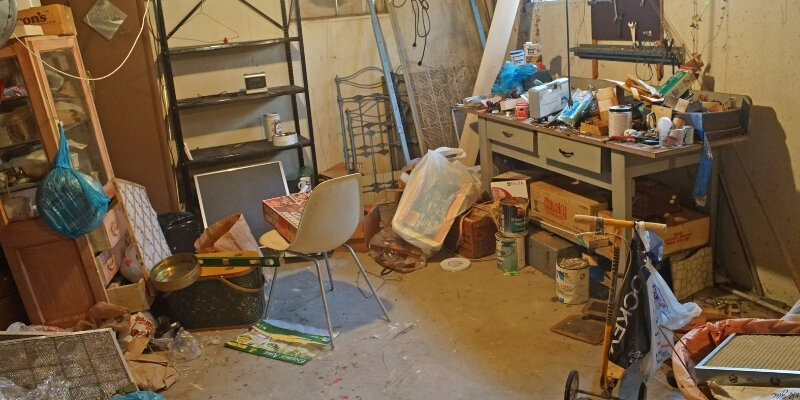
Do you ever wonder if those HGTV house flippers secretly dread taking on hoarder properties? They should. Behind every dramatic transformation lies weeks of sorting through belongings that tell someone’s entire life story, decisions that feel impossible, and cleanup costs that can easily run into five figures. I’ve seen bills reach $30,000 before.
I’ve bought hundreds of houses across California, and hoarder properties are among the most challenging transactions I handle. But they don’t have to become a financial disaster for sellers. As of June 2026, the median home price for single-family homes in California is $730,000, and even hoarded properties can capture meaningful value when approached correctly.
Three months behind on their mortgage with an auction date already set, the Crawford family contacted me last fall about a property in Fresno. Their father’s house hadn’t been cleaned in years, and the dining room was stacked floor-to-ceiling with newspapers from the early 2000s. We closed in seventeen days without them moving a single box.
What Is a Hoarder House and How Does It Affect Your Property Sale in California

Until you’re trying to sell the property, the distinction between collecting and hoarding might seem academic. Collectors organize, display, and pursue purpose through their acquisitions. Hoarding creates conditions in which rooms become unusable, exits are blocked, and basic home maintenance becomes impossible.
The median days on market for typical California homes was 42 days as of early 2026. Still, hoarded properties often sit for months longer because they frighten off conventional buyers and trigger immediate inspection concerns. Television shows featuring extreme cases lead people to associate hoarding only with the most difficult situations, but the reality is much broader. I’ve seen properties where the kitchen counters couldn’t be used for cooking and bedrooms where pathways wound between towering stacks of magazines, books, and clothing. Value remains in these homes. They simply require different buyers.
You must also consider the legal implications. California recognizes hoarding disorder as a mental health condition protected under disability laws, but the state also has strict requirements for property sales that can complicate transactions. When hoarding affects home safety or creates health hazards, sellers cannot ignore the disclosure requirements they’re facing.
California Disclosure Laws for Selling a Hoarder House
One of the first things families ask me is whether they’re legally allowed to sell a house in this condition. The short answer is yes. But California does expect you to be honest about what you’re selling.
The state’s disclosure requirements don’t carve out exceptions for distressed properties. Whether the home is immaculate or hasn’t been accessible in years, sellers are required under the California Civil Code to disclose known material facts that could affect the property’s value or a buyer’s safety. That means if you know there’s water damage behind a wall of boxes, mold growing in a room nobody could reach, or an electrical panel that’s been buried for a decade, those issues need to be on the table before closing. Hiding them doesn’t make them go away. It creates fraud liability and can unwind a sale long after you thought it was done.
I’ve seen sellers try to stay quiet about problems they assumed buyers would just “figure out” during inspections. It rarely ends well. Buyers who feel blindsided become buyers who walk, renegotiate aggressively, or sue.
There’s also a layer beyond civil law worth knowing about. If hoarding conditions have spilled over into the surrounding property, affecting neighbors through odors, pests, or visible hazards, local code enforcement and health departments can get involved. Under California Penal Code 372 and 373a, maintaining a public nuisance on property you own can carry criminal exposure. That’s an uncomfortable reality, but it’s one worth understanding before the situation escalates.
The good news is that timing works in your favor if you get ahead of it. Sellers who disclose early and price accordingly attract buyers who already expect a distressed property. That’s a much smoother transaction than one where problems surface mid-inspection, and the whole sale falls apart three weeks before closing.
Hoarder House Cleanup Costs in California: What Sellers Actually Pay
Sarah Martinez called me from Sacramento after getting quotes from three different cleanup companies for her mother’s house. The estimates ranged from $12,000 to $37,000, and none included the structural repairs they would likely find once the debris was removed.
Cleanup crews do much more than haul junk. Teams typically wear hazmat suits due to potential biohazards, mold exposure, and chemical contamination from cleaning products and medications that have been mixed over the years. Cleanup expenses can range from $3,000 to $20,000 or more, depending on the severity of the situation.
Sorting represents the hidden cost that catches families off guard. Cleanup crews charge by volume, not by time spent deciding what stays and what goes. Sellers often find themselves paying premium rates while family members debate photograph albums, holiday decorations, and sentimental items.
Beyond the cleanup itself, hoarded homes often require significant repairs after the belongings are removed. Common discoveries include water damage from inaccessible leaking pipes, floor damage from excessive weight, and electrical problems from overloaded circuits. Pest control can add several thousand dollars more if rodent or insect infestations have taken hold, and in my experience, they usually have.
Hidden structural issues compound rapidly. Asbestos and lead paint, both heavily regulated under California law, sometimes surface in older homes once walls and floors become accessible. Large accumulations of possessions can block exits and create serious fire hazards, a particular concern in California’s wildfire-prone regions.
Why Hoarder Houses Are Hard to Sell in California’s Traditional Market

I’ve watched transactions fall apart at nearly every stage of the traditional sales process when a hoarder property is involved. It’s not just one problem. It’s a chain of them, and each link gives the next buyer or professional involved another reason to back out.
It usually starts at the front door. Conventional buyers, the kind browsing Zillow on a Sunday afternoon, are not shopping for a project. When they walk into a home with blocked hallways, a strong odor, or visible pest activity, most of them are mentally out before they’ve made it past the entryway. The ones who stay curious enough to move forward often hit a wall with their lender. FHA and VA loans require properties to meet minimum habitability standards, and a hoarded home rarely meets those standards without significant cleanup first. So even motivated buyers can find themselves unable to close through no fault of their own.
Finding a real estate agent willing to take the listing is its own challenge. Most agents don’t want the liability or the headache. Those who agree to list often lack experience with the specialized disclosures these sales require, which creates problems down the line. And photographing the property for MLS puts agents in an awkward position: show the real conditions, and buyers won’t come; stage it misleadingly, and you risk legal exposure.
Then comes the appraisal. Appraisers work from comparable sales, and comparables are almost always cleaned, updated homes that bear little resemblance to what you’re selling. The gap between the appraised value and what a seller hopes to net can be significant, especially if there’s a mortgage balance to pay off.
The inspection is often the final breaking point. Buyers need access to the HVAC system, the electrical panel, and the plumbing. In a hoarded home, items are often buried. When an inspector can’t evaluate major systems, buyers get nervous about what might be hiding under everything, and that anxiety usually turns into renegotiation demands, price reductions, or an exit. I’ve seen transactions survive all the way to inspection week only to fall apart because nobody could reach the breaker box.
Selling a Hoarder House to a Cash Buyer vs. Listing with a California Realtor
Before I started buying houses directly through Eazy House Sale, one of my early experiences with a hoarded property involved a traditional listing that took eight months to sell and fell through three separate contracts; after switching to direct cash purchases, the same type of property now closes in two to three weeks with minimal seller preparation.
Cash buyers who specialize in distressed properties understand exactly what they’re purchasing. Cleanup costs are factored into their offers; they don’t require financing contingencies, and they typically handle inspections for their own due diligence rather than using them as leverage to renegotiate. This eliminates most of the deal-killing issues that plague traditional sales.
The Los Angeles housing affordability index sat at roughly 20% in 2025, meaning only about one in five households could afford the median-priced home. This makes cash house buyers in Los Angeles, CA, a realistic option even in strong markets when sellers need to close quickly without repairs. Companies like Eazy House Sale can often provide offers within 24 to 48 hours.
Traditional sales might generate higher gross prices on paper, but net proceeds after cleanup, holding costs, and real estate commissions are typically lower than those from direct cash sales. The time savings alone can be worth thousands of dollars for sellers facing financial pressure or probate deadlines.
Insurance complications add another layer of difficulty for traditional sales. Many homeowners’ insurance policies don’t cover damage caused by neglect or hoarding conditions, leaving buyers to face immediate coverage issues if they secure conventional financing.
How to Sell a Hoarder House As-Is in California and Keep More of Your Equity
Most sellers come to me convinced they have two options: spend money they don’t have on a full cleanup, or accept a lowball offer. Neither one is quite right, and the gap between those two extremes is where most of the real opportunity lives.
The biggest shift in thinking is about who your buyer actually is. Trying to make a hoarded property appeal to a conventional homebuyer is like trying to sell a fixer-upper at a move-in-ready price. It doesn’t work, and chasing that buyer costs you time. Working with a company that buys houses in California puts you in front of people who already understand what they’re walking into. They’ve done this before. They have cleanup crews, contractors, and timelines mapped out before they ever make an offer. That familiarity is what lets them move quickly and pay fairly.
Pricing is where sellers lose the most ground. The instinct is to look at what a cleaned, updated version of the home might sell for and work backward from there. But comps from move-in-ready homes aren’t your comps. Pricing based on the as-is condition isn’t pessimistic; it’s accurate, and it attracts buyers who won’t tie you up for three months only to renegotiate after inspections.
One thing that genuinely helps, and costs almost nothing, is documentation. Walk through every room and photograph it. If you have any maintenance records, pull them together. Write down what you know about the property’s condition, including the problems. I know that feels counterintuitive, but buyers who receive upfront information don’t spend the inspection period looking for things to use against you. That transparency builds trust, and trust closes transactions.
If you have the bandwidth for any preparation at all, focus on access rather than appearance. Clearing a path to the electrical panel, the water heater, and the HVAC unit does more for your sale than cleaning out an entire bedroom. Inspectors need to see those systems, and buyers need to know they work.
Tom Mitchell contacted me last spring while working through a divorce and needed the sale handled quickly without drama. His ex-wife had filled their San Jose home with craft supplies and vintage clothing collected over the past 20 years. The garage held three vintage sewing machines that hadn’t run in a decade. We closed in nineteen days while keeping the process as private as possible, something I’ve come to understand matters greatly during difficult personal situations.
Hoarding Disorder Treatment and Support Resources in California

A successful sale often depends on more than finding the right buyer. When families connect with appropriate treatment options early, the entire process, from initial decisions about the property to the eventual closing, tends to go more smoothly and with less trauma.
County health departments and private practitioners throughout California offer mental health resources specifically for hoarding disorder. The International OCD Foundation maintains a therapist directory with providers trained in hoarding treatment, and many accept insurance for ongoing therapy sessions.
Support groups meet regularly in major California metropolitan areas, including Los Angeles, San Francisco, Oakland, and San Diego. These groups help individuals and their families develop practical decision-making strategies and maintain progress after initial cleanup efforts begin.
Some communities operate hoarding task forces that coordinate between mental health professionals, social services, and code enforcement agencies. These programs help people address hoarding before it reaches crisis levels or triggers legal intervention.
Professional organizers who specialize in hoarding situations can bridge the gap between therapeutic support and practical decluttering. They work at the individual’s pace and provide ongoing strategies to prevent re-accumulation, which matters whether or not a sale is ultimately involved.
Frequently Asked Questions
How Much Does It Cost to Sell a Hoarded House in California?
Selling costs vary widely depending on whether you clean up first or sell as-is. Traditional sales after professional cleanup can cost 8–12% of the sale price, including cleanup fees, repairs, commissions, and holding costs. Selling directly to a cash buyer typically involves 0–3% in basic closing costs and can close in weeks rather than months.
Can You Legally Sell a Hoarder House in California?
Yes. You must comply with all disclosure requirements about known defects and safety issues under the California Civil Code. Sellers are required to disclose material facts that could affect property value or pose risks to buyers. Working with experienced professionals helps ensure proper compliance.
What’s the Best Way to Minimize Capital Gains Taxes When Selling a Hoarded House?
California follows federal capital gains rules. Your primary residence exemption ($250,000 for single filers, $500,000 for married couples) applies regardless of the home’s condition. For inherited properties, a stepped-up cost basis can minimize or eliminate capital gains taxes. Consult a tax professional for guidance specific to your situation.
Can I Sell a Hoarder House in California Without Doing Any Cleanup?
Yes. Cash buyers and real estate investors regularly purchase hoarder properties in as-is condition, meaning you are not required to remove a single item before closing. This is often the most practical route when cleanup costs are prohibitive, timelines are tight, or the family is emotionally overwhelmed by the process. The offer price will reflect the cost of cleanup and repairs, but the trade-off is a faster, simpler sale with no out-of-pocket preparation expenses.
If you’re dealing with a hoarded property in California and need to explore your options, you don’t have to navigate it alone. A direct cash sale, a partial cleanup before listing, or connecting a family member with treatment resources are all realistic paths forward. Contact us, and we’ll walk you through what makes sense for your specific situation.
Helpful California Blog Articles
- Who Gets The House In A Divorce In California?
- Can You Sell a House As-Is Without Inspection in California?
- California Squatter’s Rights
- Can You Sell a House in Foreclosure in California?
- Can I Sell My House If I Filed Chapter 13 in California?
- If Your House Is Sold At Auction How Long Do You Have To Move In California?
- Best And Worst Months To Sell Your California Home
- Selling A House With Unpermitted Work In California
- Selling a Probate House in California
- Selling a House With Water Damage in California
- Can a Seller Refuse Repairs After Inspection in California
- Selling a House with Foundation Issues in California
- How to sell a house by owner in California
- How To Cancel A Real Estate Listing Agreement With A Broker In California