

Looking to sell your California home? Timing can make the difference between a quick, profitable sale and months of frustration. Understanding California’s seasonal market patterns helps you maximize your return and minimize time on market.
Ever wondered why your neighbor’s house sold in three weeks while another one down the street sat for months? Timing isn’t everything, but it sure matters a lot in California’s real estate game.
I’ve been buying houses across the Golden State for over a decade. From Malibu beach homes to Sacramento starter properties, I’ve seen how seasonal shifts can make or break a seller’s profit potential. What is the difference between listing in peak season versus the slow months? We’re talking tens of thousands of dollars, sometimes more.
Here’s the thing most real estate agents won’t tell you straight: California’s market moves in predictable waves. While they’re busy pushing you to “list now,” smart sellers understand the rhythm. They know when buyers are most active, when inventory is tight, and when you can actually command premium prices.
California Real Estate Market Timing: Best and Worst Months to Sell Your Home
California’s housing market follows seasonal patterns that are more pronounced than most people realize. Home sales volume typically rises in the first half of the year and falls after peaking around June. This isn’t just a coincidence (it’s driven by everything from weather to school calendars to tax considerations).
According to data from the California Association of Realtors (CAR), March through June consistently accounts for a significant percentage of annual home sales. These four months represent the sweet spot when buyer demand peaks and sellers can capitalize on competitive conditions.
But here’s what’s interesting: the worst months aren’t necessarily winter. August is the second slowest month of the year, right in the middle of summer. Why? Families are focused on vacations and getting kids ready for school. The market literally takes a breather.
Understanding these patterns isn’t just academic. In March 2026, home prices in California were up 0.7% year over year, selling for a median price of $855,300. On average, the number of homes sold was up 2.6% year over year. That’s the power of timing your listing right.
Seasonal Housing Market Trends in California: When to List Your Property

California’s seasonal trends are driven by more than just weather. We’ve got families timing moves around school years, tech workers getting bonuses in spring, and retirees making decisions after tax season. All these factors create predictable buyer behavior patterns.
The market experiences peak activity during spring and early summer, driven by favorable weather and families aiming to relocate before the new school year. This creates a perfect storm of demand that savvy sellers can leverage.
Spring brings motivated buyers who’ve been house-hunting through winter. They’re ready to move, financing is typically in place, and they want to close before summer hits. The market sees an influx of buyers eager to secure homes before summer. This increased activity often leads to bidding wars in competitive areas like Palo Alto or Manhattan Beach.
Summer maintains momentum but with different buyer profiles. You’ll see more luxury purchases, second-home buyers, and people relocating for work. In the summer, luxury real estate and vacation properties take center stage. Buyers are drawn to California’s stunning coastline and lifestyle offerings.
Fall creates opportunities for strategic sellers. September through Thanksgiving is often our second-busiest time of year. Those who didn’t want to list in the summer are now ready to hit the market, and buyers with no luck in the spring are back on the hunt.
Spring Home Selling Season: Peak Performance Months in California Real Estate
Spring is hands down the most dynamic season in California’s real estate market, with activity ramping up in March and continuing into June. This isn’t just about warmer weather (it’s about buyer psychology and market dynamics aligning perfectly).
March kicks things off strong. The median number of days it took to sell a California single-family home was 19 days in March, compared to longer periods in the winter months. Buyers who’ve been waiting through winter are ready to move, and new inventory starts hitting the market.
April often brings the year’s highest prices. The statewide median price recorded a new all-time high in April, jumping 11.4 percent from $811,510 in April 2023 to $904,210 in April 2024. That’s the kind of appreciation that can put serious money in sellers’ pockets.
May and June maintain the momentum. The market usually peaks about halfway through June. Why June? Buyers and sellers like to time their move with the kids’ summer break from school. This school-calendar timing creates predictable demand spikes that smart sellers can capitalize on.
If you’re considering a spring listing, here’s what I tell homeowners: get your house market-ready by February. Professional photos, staging, and minor repairs (handle all that before the rush). When March hits, you want to be among the first quality listings buyers see.
For sellers who can’t handle the traditional route, companies like Eazy House Sale offer alternatives that bypass seasonal timing altogether. Sometimes the best month to sell is simply when you need to sell.
Summer Real Estate Activity: High Demand Periods for California Home Sales
Summer brings a different energy to California’s housing market. Generally, the season sustains the momentum established during the spring surge, benefiting from continued favorable weather and the completion of academic years. But it’s not all smooth sailing.
June typically represents the peak of market activity. The month with the most homes sold is June. This creates maximum competition among buyers, resulting in better prices for sellers who list at the right time.
July brings the first signs of a slowdown. Right around the 4th of July, we start to see the market slow down. The Conejo Valley is a family community, and the summer focus tends to shift from buying and selling to summer camps and vacations. This pattern holds across much of California, especially in family-oriented communities.
August presents unique challenges. While still technically summer, buyer behavior shifts dramatically. August is the second slowest month of the year. People take their last vacations and start to get the kids ready for the upcoming school year. This creates opportunities for buyers but challenges for sellers.
However, summer isn’t without advantages. Homes with ocean views, expansive patios, and high-end finishes shine in summer. Eco-conscious buyers often search for properties with sustainable designs or solar energy solutions. If your property has these features, summer showcasing can be incredibly effective.
Luxury properties perform particularly well in summer months, especially in areas like Malibu, San Diego, and Lake Tahoe. These properties attract tourists and often see higher rental yields in summer. This creates a secondary market of investment buyers looking for vacation rental properties.
Off-Peak Seasons: Fall and Winter in the California Market
Once summer fades, California’s market shifts into a different gear, slower, more deliberate, and requiring a smarter approach from sellers.
Fall is actually more nuanced than most people expect. September often brings a brief resurgence, as sellers who held off during summer finally list, and buyers who struck out in spring return for another look. This secondary peak can work in your favor if you move early in the season. But by October and November, momentum fades. As school routines set in and the holidays approach, fewer buyers are active, multiple offers become rare, and pricing discipline matters more than ever. You can’t count on bidding wars to push your final number up — the list price you set is closer to the price you’ll get.
Winter is the quietest stretch of the year, though it’s not without its advantages. The buyers still shopping in December and January tend to be serious and motivated, which means less time wasted on tire-kickers. Inventory also thins out, so your listing gets more attention simply because there’s less competition. The trade-off is that motivated sellers in winter often signal urgent circumstances, and buyers know it—expect more aggressive negotiation on price and terms.
January brings a brief post-holiday bounce. New listings tick up in the first two weeks as sellers who waited out the holidays finally come to market, and buyers who preserved their down payment are ready to move. It’s a narrow window, but a real one.
The through-line for both seasons: patience and pricing. If you need to sell on your timeline, fall and winter can absolutely work — but you have to be honest about where the market is and price accordingly from day one.
California Housing Market Statistics: Monthly Sales Volume Analysis
The numbers tell a clear story about California’s seasonal patterns. Sales in August 2024 dropped by 6.3% from the 279,810 homes sold in July, but were up 2.8% from August 2023’s adjusted total of 254,820 homes. This shows both the seasonal dip and year-over-year recovery trends. On top of that, sellers should factor in the average cost to sell a house in California, which typically ranges from 8% to 12% of the final sale price, including commissions, closing costs, and common seller expenses.
The numbers tell a clear story about California’s seasonal patterns. Sales in August 2024 dropped by 6.3% from the 279,810 homes sold in July, but were up 2.8% from August 2023’s adjusted total of 254,820 homes. This shows both the seasonal dip and the year-over-year recovery trends.
Recent data shows the market’s resilience. C.A.R. reports that approximately 269,030 existing single-family homes were sold in California in 2024, marking a 4.3% increase compared to 2023. This reflects California’s first annual sales gain in three years.
Monthly variations are significant. February 2025’s annualized sales rate of 283,540 was the strongest monthly pace since late 2022, showing how spring momentum builds from winter lows.
Looking at current conditions, in December 2025, we saw a seasonally adjusted annualized rate of 288,200 existing, single-family home sales. This number showed a slight 0.3% uptick from November and a more significant 2.0% jump from December 2024.
The regional variations are equally telling. The San Francisco Bay Area led the increases with a 4.8% rise, followed by the Central Coast (3.0%) and the Central Valley (0.8%). The Far North (-5.0%) and Southern California (-2.3%) saw declines at certain points, underscoring how local markets can diverge from statewide trends.
Days on Market Analysis: Fastest Selling Months for California Properties

The speed of sale varies dramatically by season, and the numbers prove it. The median number of days it took to sell a California single-family home was 16 days in April and 20 days in April 2023. That four-day difference might not sound like much, but in real estate, every day counts.
Spring consistently delivers the fastest sales. The median number of days it took to sell a California single-family home was 19 days in March, compared to significantly longer periods in fall and winter months.
Current market conditions show seasonal patterns holding. The median days on the market was 37 days, up 2 years over the year-ago period, indicating that even in faster-selling seasons, the market has cooled from pandemic-era extremes.
Winter shows the most dramatic differences. The median number of days to sell a single-family home in December was 36 days, up from 31 days in December 2024. This is another indicator that the market is cooling down from its hottest pace, and buyers have a little more time to consider their options.
Regional variations matter too. Homes in San Diego are selling quickly; in May 2024, they were on the market for only 10 days, while homes in other areas typically spend longer on the market.
For sellers, this data is crucial for setting expectations. List in spring, expect quick action. List in winter, plan for a longer process. The key is pricing appropriately for the season and understanding that longer days on market in slower seasons aren’t necessarily bad (it just requires different strategies).
Inventory Levels Throughout the Year: Supply and Demand in California Housing
California’s inventory patterns create the foundation for seasonal pricing power. Inventory rises significantly in the spring and early summer months, but demand rises even faster, creating competitive conditions that favor sellers.
Current inventory data shows interesting trends. In January 2025, the statewide UII was 4.1 months, up from 2.7 months in December and 3.2 months in January 2024. This indicates that there is more inventory now than there was in December 2024 and January 2024.
The supply-demand balance shifts seasonally. Limited housing supply during peak seasons can drive up prices due to high demand. During peak seasons, such as spring and summer, buyer demand for homes tends to increase.
Looking ahead, C.A.R. forecasts active listings up 10% in 2026. In California specifically, Redfin counted 85,159 homes for sale in January 2026, though new listings were still down about 10% year over year as sellers continue to hesitate.
This inventory hesitation creates opportunities. Many homeowners are sitting on low mortgage rates and are reluctant to sell. As of late 2025, the LAO’s affordability report found that roughly 80% of California homeowners are sitting on mortgage rates below 5%. Selling means giving up your low rate and taking on a 6%+ rate on your next purchase. That translates to a significant monthly cost difference.
For sellers who need to move regardless of rate considerations, this inventory constraint can work in your favor. Less competition means more buyer attention for quality listings.
California Home Price Fluctuations: Seasonal Market Value Changes
California shows significant seasonal price variations. In 2022, the summer-to-winter price decline was 11.6% (in line with the 10-year average of 11.5%, excluding 2020 and 2021), and in 2023, the seasonal decline was 5.1%. That’s real money we’re talking about.
Recent price movements confirm seasonal patterns. February 2025 saw a median of $829,060, a slight 1.2% dip from January (due to a seasonal slowdown) but 2.8% higher than the same time a year earlier. In March 2025, the median price jumped to $884,350, up 6.7% month over month as the spring buying season began.
Spring pricing power is real. With increased demand, home prices tend to rise during the spring. Sellers often receive multiple offers, which can drive up the price. This competitive environment is what creates the profit potential for well-timed listings.
Summer pricing depends on property type. As the season progresses, demand can taper off slightly, particularly in hotter regions. Prices might stabilize or grow more slowly. While more homes are listed in the summer, competition can still be tough, keeping prices relatively high.
The current market shows these patterns holding. As of November 2025, the median sale price for a home in California sits at $828,800. This represents a slight decrease of about 0.2% compared to the same time last year.
For sellers, timing your listing to capture peak pricing periods can literally be worth tens of thousands of dollars. The difference between listing in March versus August could mean the difference between getting your asking price and having to negotiate down.
Climate Impact on California Home Sales: Weather Patterns and Buyer Behavior
California’s weather advantage creates unique market dynamics. California’s pleasant climate allows year-round activity, but spring and summer remain favorable for open houses and tours. The fall and early winter seasons may slow slightly, but you may still serve those relocating for work, as well as buyers and sellers trying to close transactions before the holidays.
Weather psychology affects buyer behavior more than people realize. Cold and wintry conditions can make it hazardous or simply undesirable for buyers to travel to tours, and sellers know that homes have more curb appeal when flowers are in bloom and lawns are lush. Even in mild California, this seasonal psychology persists.
Curb appeal timing matters enormously. In spring, vibrant flowers and blossoming trees can make your home look more inviting and well-maintained. During summer, a lush green lawn and neatly trimmed hedges can create an atmosphere of relaxation and enjoyment.
Fall brings its own aesthetic advantages. When autumn arrives, Northern California transforms into a picturesque landscape with stunning fall foliage. The warm hues of red, orange, and yellow add charm and character to neighborhoods, making them even more desirable.
Regional climate variations create different optimal timings. A harsh Midwest winter might slow down the local housing market more so than a California “winter”. This gives California sellers more flexibility than most of the rest of the country.
Smart sellers understand that presentation varies by season. Spring listings should emphasize outdoor spaces and gardens. Summer listings can showcase pools and entertainment areas. Fall listings might highlight cozy indoor features and energy efficiency.
School Calendar Influence on California Real Estate: Family Relocation Timing
School schedules drive massive portions of California’s real estate activity. Buyers and sellers like to time their move with the kids’ summer break from school. This creates predictable demand spikes that experienced sellers can anticipate and leverage.
The spring rush is largely family-driven. The warmer weather encourages more buyers to look at homes, and many families with children want to settle into a new home before the next school year. This creates urgency that translates into better offers for sellers.
Summer continues this family focus. The summer market remains active, particularly in June and July. Many families continue to buy during this period to settle before the fall. This sustained demand helps maintain pricing power through the traditional summer months.
August brings the school preparation slowdown. People take their last vacations and start to get the kids ready for the upcoming school year. This shift in family priorities creates the late-summer market lull that many sellers don’t anticipate.
Fall timing becomes tricky for families. Spring and summer are typically the busiest times, as families prefer to move during these periods to avoid disrupting school routines. Conversely, fall and winter tend to witness a slowdown.
For sellers in family-oriented neighborhoods, understanding these patterns is crucial. Price aggressively in spring when families are motivated. Be prepared for slower activity once school starts. Consider your likely buyers’ demographics when timing your listing.
Regional Variations in California Real Estate: Bay Area vs Southern California Timing
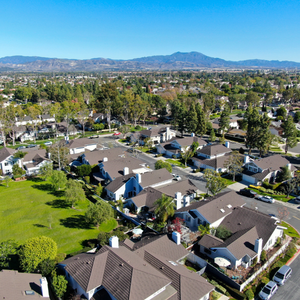
California isn’t one market (it’s dozens of regional markets with different seasonal patterns). The “best month” to buy a home in California depends not just on the season, but on the region’s unique economy, climate, and buyer mix. Bay Area tech relocations, SoCal luxury flows, and Central Valley affordability trends create different opportunity windows.
Bay Area timing follows tech industry patterns. Bay Area equals tech-driven demand, spring surges. Stock option vesting, bonus payments, and corporate relocation cycles create predictable buyer activity spikes that don’t always align with traditional seasonal patterns.
Southern California shows different dynamics. LA equals luxury-driven, fall balance. The luxury market operates on a different timing, with international buyers and investment purchases creating year-round activity that’s less dependent on school calendars.
Regional price performance varies significantly. Southern California home prices are climbing steadily, outpacing those in Northern California. The median home price reached $866,400 in February 2025, up 4.8% year over year. By March, it rose even further to about $905,790.
Central Valley markets follow more traditional patterns. In the Central Valley, affordability and agricultural cycles keep the market more stable, but winter remains your strongest buyer-leverage point. Agricultural economics and more affordable price points create different buyer behavior.
Coastal markets have unique considerations. Areas like Malibu, San Diego, and Lake Tahoe attract tourists and often see higher rental yields in summer. Vacation home markets peak when people are thinking about summer getaways, not necessarily when families are moving.
Frequently Asked Questions
What Is the Best Month to Sell a House in California?
The month with the most homes sold is June, making May the optimal listing month. The spring months from March through May consistently deliver the fastest sales and the highest prices, driven by peak buyer activity and limited inventory. However, your specific situation might make another time more appropriate.
What Is the 3-3-3 Rule in Real Estate?
The 3-3-3 rule suggests that in the first 3 days, you’ll get 30% of your showings, in the first 3 weeks, you’ll get 60% of your total activity, and after 3 months on the market, your listing becomes stale and needs repricing. In California’s fast-moving spring market, these timelines compress significantly, while winter sales may extend them.
What Devalues a House the Most?
Poor maintenance and deferred repairs cause the biggest value hits, followed by outdated systems like old electrical or plumbing systems. Location issues, such as busy roads or declining neighborhoods, also significantly impact value. In California specifically, lack of earthquake retrofitting, outdated HVAC systems, and properties without proper permits for additions can substantially reduce market appeal.
What Are Some Red Flags to Watch for When Selling?
Overpricing for the season is the biggest mistake (spring allows aggressive pricing, but fall requires conservative approaches). Other red flags include poor staging, inadequate marketing photos, inflexible showing schedules, and unrealistic timeline expectations. Properties that sit too long become stigmatized, making seasonal timing crucial for avoiding this trap.
Here’s the bottom line: timing your California home sale isn’t just about calendar dates. It’s about understanding buyer psychology, market dynamics, and your own situation.
Spring gives you maximum leverage (more buyers, faster sales, higher prices). Summer works for luxury properties and unique homes. Fall requires patience, but it can work with proper pricing. Winter demands flexibility but offers less competition.
The data doesn’t lie. Summer-to-winter price declines of 11.6% represent the 10-year average. That’s not pocket change on a California home.
That’s where Eazy House Sale comes in. As a local cash home-buying company serving Los Angeles and nearby cities, Eazy House Sale helps California homeowners sell fast without the hassle of staging, showings, or waiting for the right season: no repairs, no contingencies, no drawn-out closing timelines — just a straightforward sale on your schedule.
If you’re weighing your options, Eazy House Sale is happy to walk you through what a cash offer for your home would look like. No pressure, no obligation. Whether you’re planning for a spring listing or need to close this month, knowing all your options is the first step to making the right call for your situation. Contact us at (855) 915-1382 today!
Helpful California Blog Articles
- Who Gets The House In A Divorce In California?
- Can You Sell a House As-Is Without Inspection in California?
- California Squatter’s Rights
- Can You Sell a House in Foreclosure in California?
- Can I Sell My House If I Filed Chapter 13 in California?
- If Your House Is Sold At Auction How Long Do You Have To Move In California?
- Best And Worst Months To Sell Your California Home
- Selling A House With Unpermitted Work In California
- Selling a Probate House in California
- Selling a House With Water Damage in California
- Can a Seller Refuse Repairs After Inspection in California
- Selling a House with Foundation Issues in California
- How to sell a house by owner in California
- How To Cancel A Real Estate Listing Agreement With A Broker In California